Probability in Practice – When Does It Make the Most Sense to Stop Playing?


Probability in Practice – When Does It Make the Most Sense to Stop Playing?
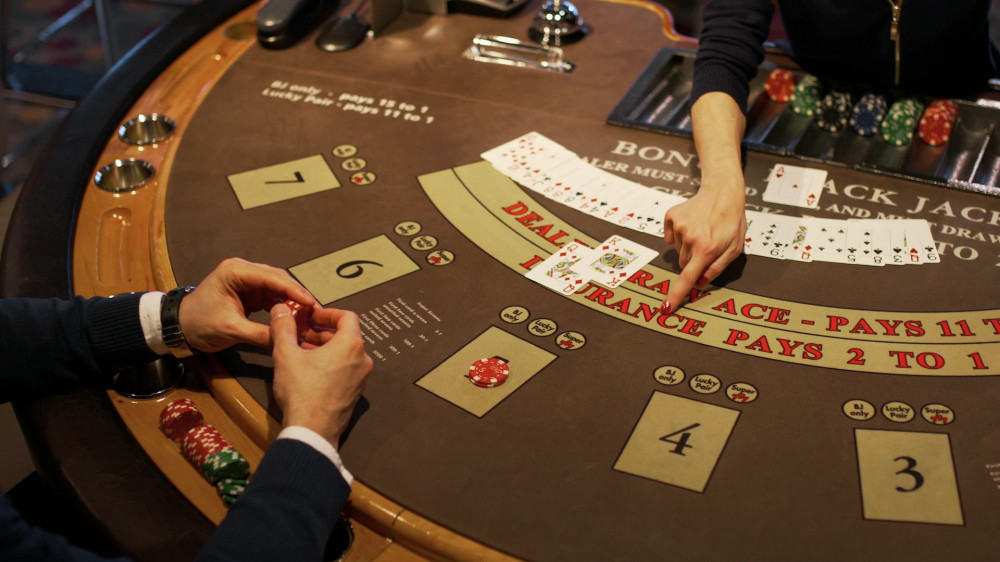
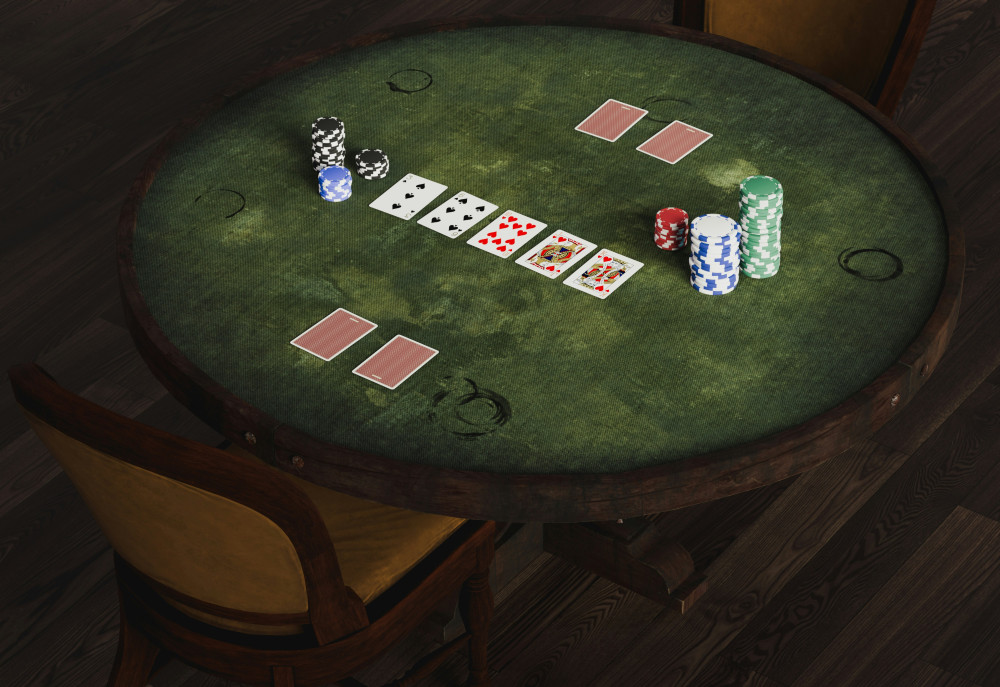
Most people know the feeling: the rush when you buy a lottery ticket, or the hope that your next sports bet will finally hit. Gambling can be exciting, but behind the thrill lies a mathematical truth that rarely favors the player. Probability isn’t just an abstract concept from a math textbook—it’s the key to understanding why, in many cases, it makes the most sense to stop playing.
The House Always Has the Edge
Whether you’re spinning a roulette wheel in Las Vegas, buying scratch-off tickets at a gas station, or betting on the Super Bowl, every game is designed so that the operator—the “house”—has a statistical advantage. That means that while you might win in the short term, if you play long enough, the math ensures you’ll lose.
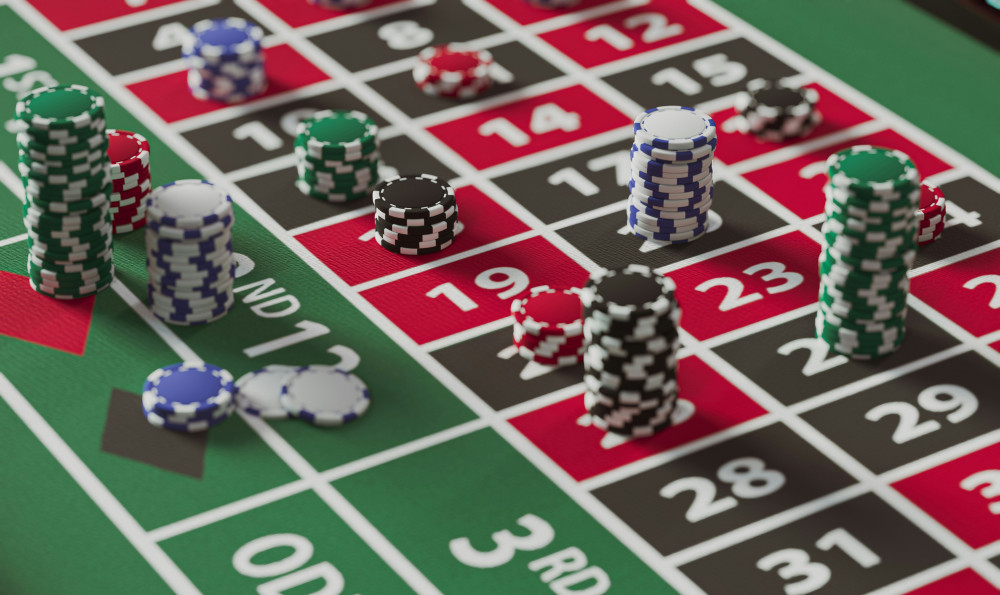
Take roulette as an example. On an American wheel, there are 38 slots, but the payout for a correct single-number bet is calculated as if there were only 36. That small difference gives the casino a built-in edge of about 5.26%. It doesn’t sound like much, but over thousands of spins, it guarantees that the house comes out ahead.
The Human Brain and Randomness
Even when we know the odds, we struggle to act rationally. Humans are not naturally good at understanding randomness. We see patterns where none exist and believe that “our luck is due” after a string of losses. This is known as the gambler’s fallacy—the mistaken belief that past outcomes influence future ones, even when each event is independent.
Another common bias is availability bias: we remember the big wins we’ve heard about but forget the countless losses that never make the news. This creates the illusion that winning is more likely than it really is.
When Probability Gets Real
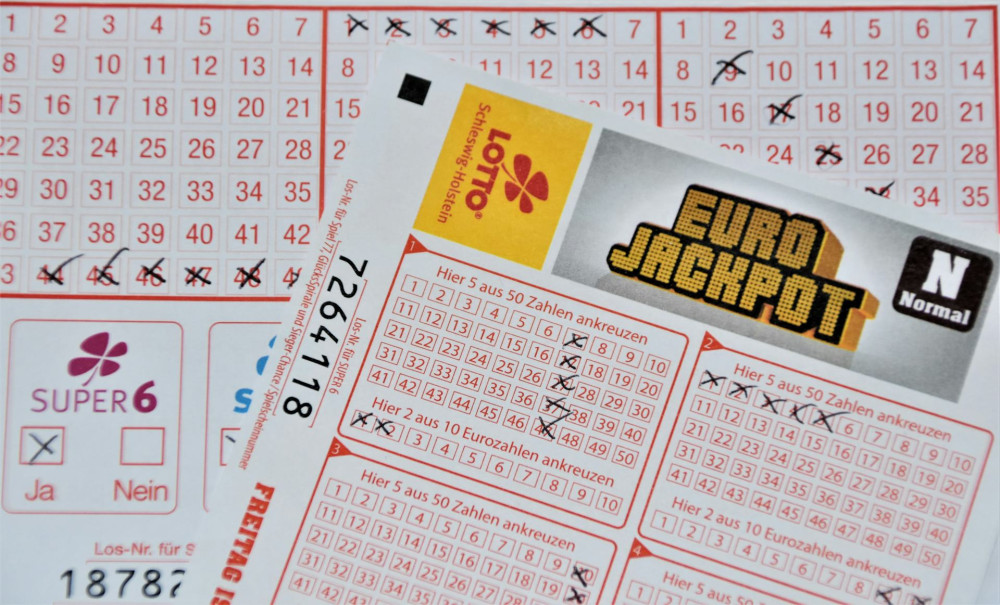
Let’s look at a familiar example: the Powerball lottery. The odds of hitting the jackpot are about 1 in 292 million. To put that in perspective, you’re more likely to be struck by lightning multiple times in your lifetime than to win the grand prize. Yet millions of Americans buy tickets every week—not necessarily because they expect to win, but because the dream of winning feels good.
But if you look at it objectively, it’s a poor investment. If you spend $2 a week on tickets for 10 years, you’ll have spent over $1,000—and your odds of winning the jackpot will still be virtually zero.
Læs også:


When Does It Make Sense to Play?
Understanding probability doesn’t mean you should never play. Gambling can be a form of entertainment, like going to a movie or a concert. The key is why you’re playing.
It makes sense to play if:
- you see it as entertainment and set aside a fixed amount you’re willing to lose,
- you understand the odds and accept that they’re against you,
- you stop when the fun turns into frustration.
It does not make sense to play if:
- you’re trying to win money or “get back” what you’ve lost,
- you’re spending more than you can afford,
- you feel that gambling is controlling your thoughts or finances.
Probability as a Tool for Stopping
Knowing the probabilities can actually help you stop. When you understand that your chance of winning is microscopic, it becomes easier to see gambling for what it is: entertainment with a price tag. The goal isn’t to take the fun out of it, but to take back control.
Here’s a thought experiment: if someone offered you an investment where you had a 99.999% chance of losing your money, would you take it? Probably not. Yet that’s essentially what many gambling games offer.
Sometimes, the Smartest Move Is to Walk Away
Probability in practice isn’t just about numbers—it’s about decisions. When you understand how the odds work, you can make conscious choices, and sometimes the most rational choice is simply to stop playing.
Saying no to gambling isn’t a sign of weakness or lack of imagination—it’s a sign of insight. Because in the end, it’s not luck that determines who wins. It’s mathematics.
Læs også: