Analysis Over Chance – Using an Understanding of Odds as a Strategic Tool


Analysis Over Chance – Using an Understanding of Odds as a Strategic Tool
When most people hear the word odds, they think of luck, chance, and quick wins. But in reality, understanding odds is far more about analysis, strategy, and probability than about random outcomes. For those who know how to read and interpret them, odds can become a tool for making more informed decisions — not only in sports betting, but in any situation where risk and evaluation play a role.
From Gut Feeling to Calculated Decision
Placing a bet without understanding odds is like navigating without a map. Many people rely on intuition — a favorite team, a star player, or a hunch that “this time it’ll work out.” But odds themselves are a form of data: they reflect the market’s collective assessment of how likely an outcome is.
Once you learn to read them, patterns and trends begin to emerge. For example, odds of +100 (or 2.00 in decimal form) imply a 50% chance of success. If your own analysis — based on form, injuries, conditions, or statistics — suggests the probability is higher, then you’ve found value. That’s where strategy replaces chance.
Odds as a Mirror of Market Psychology
Odds don’t just represent objective probabilities; they also reflect human behavior. When large numbers of bettors back a popular favorite, the odds can shift downward even if the actual chance of winning hasn’t changed. This creates opportunities to find value in the overlooked — the team or player the market underestimates.
Understanding this dynamic means seeing odds as a living system, where information, expectations, and emotions constantly interact. This is where an analytical mindset makes the difference: it helps you distinguish between what’s likely and what’s merely popular.
Data, Statistics, and Context
In modern sports, data analysis has become an integral part of both training and strategy. The same applies to those who work with odds. By combining statistical models with contextual knowledge — such as player form, tournament conditions, and historical matchups — you can build a more nuanced picture of probabilities.
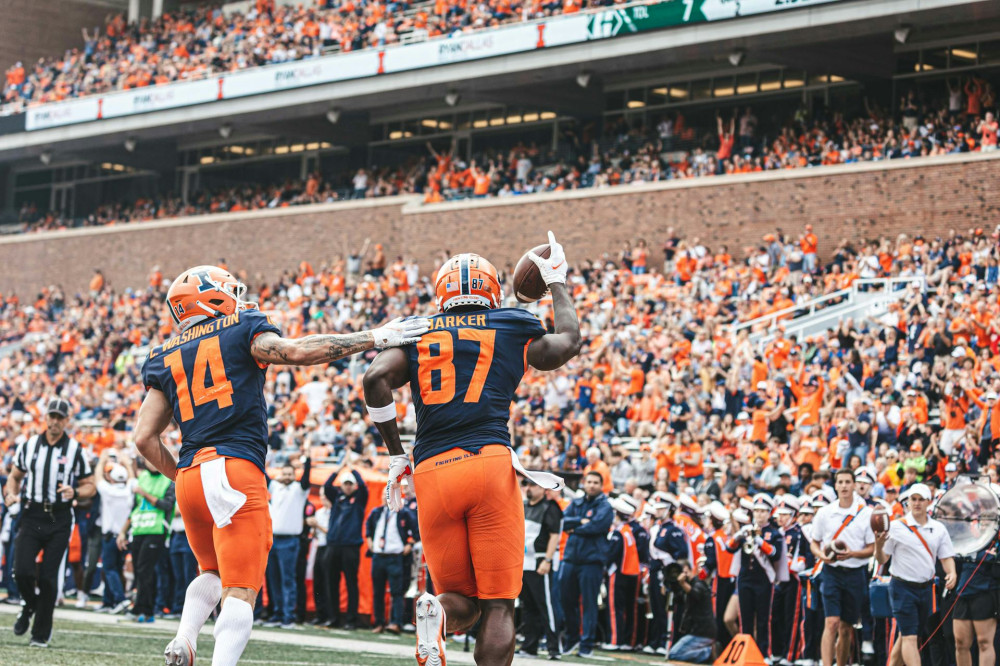
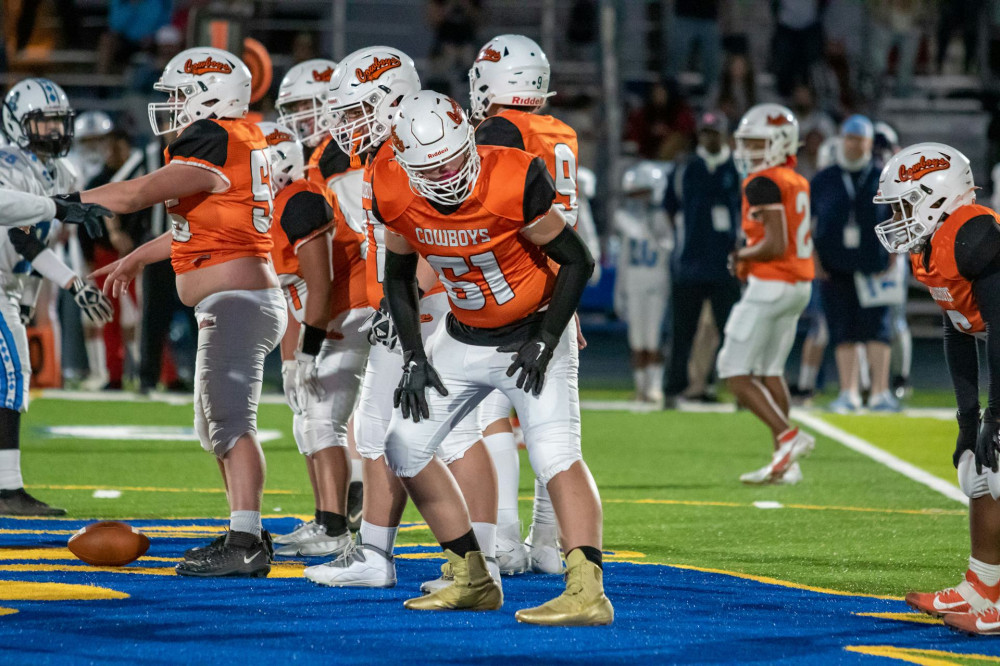
Take American football, for instance. A team that dominates at home might struggle on the road, or perform differently in extreme weather conditions. A bettor who understands how these factors influence outcomes can identify when the odds don’t fully reflect reality.
Læs også:




Strategic Thinking Over Quick Wins
Using an understanding of odds as a strategic tool isn’t about predicting the future — it’s about making better decisions over time. It requires discipline, patience, and the ability to think in probabilities rather than absolutes.
An analytical approach also means accepting losses as part of the process. Even the best strategy will experience fluctuations, but over time, a systematic method can produce more consistent results than random wagers driven by emotion or impulse.
From Betting to Broader Learning
For many, working with odds becomes a way to develop analytical skills. You learn to handle uncertainty, assess risk, and think critically — abilities that extend far beyond sports. In business, investing, or everyday decision-making, the same principles apply: understanding probability helps you make smarter, more rational choices.
When you see odds as a language of probability, it becomes clear that success isn’t about luck — it’s about comprehension. That’s the difference between guessing and analyzing.
A New Way to See the Game
Understanding odds can change the way you experience sports. Instead of simply cheering for a team or player, you begin to see each game as a complex interplay of factors: form, tactics, psychology, and statistics. The experience becomes richer — and your decisions more deliberate.
Analysis over chance isn’t just a motto for seasoned bettors; it’s a mindset that encourages strategic thinking in all areas of life. When you learn to understand probabilities, you also learn to understand how the world works — in sports, in finance, and in everyday choices.
Læs også: