High-Speed Data: How Sensors and Telemetry Optimize Modern Motorsports

High-Speed Data: How Sensors and Telemetry Optimize Modern Motorsports
In modern motorsports, victory is no longer determined solely by speed, courage, or driving skill. It’s equally a matter of data. From Formula 1 to NASCAR and electric series like Formula E, sensors and telemetry have become indispensable tools that help teams understand, predict, and optimize every aspect of a car’s performance. Today’s race car isn’t just a machine—it’s a rolling data center.
From Gut Feeling to Digital Precision
In the past, drivers and mechanics relied on intuition and experience to fine-tune a car. Now, hundreds of sensors deliver real-time measurements: engine temperature, tire pressure, aerodynamic load, fuel consumption, brake pressure, and more. These data points are transmitted wirelessly to the pit wall, where engineers analyze them in seconds.
This allows teams to detect issues before they become critical—like a tire losing pressure or an engine running too hot. It also enables them to adjust strategy mid-race, ensuring the car performs at its peak from start to finish.
Telemetry: The Invisible Lifeline
Telemetry is the technology that transmits data from the car to the pit in real time. In Formula 1, teams can receive hundreds of thousands of data points per second, creating a detailed picture of both the car’s condition and the driver’s behavior.
When a driver takes a corner, engineers can see exactly how much they brake, how hard they accelerate, and how the car responds. This information helps compare lap times, identify areas for improvement, and provide feedback that can be applied immediately on track.
In endurance races like the 24 Hours of Le Mans or off-road events such as the Baja 1000, where connectivity can be limited, data is stored onboard and analyzed afterward. These insights are then used to refine setups for the next stint or race.
Data as a Strategic Weapon
In motorsports, data isn’t just a tool—it’s a weapon. Teams use advanced algorithms and simulation software to predict how a car will behave under different conditions. By combining data from previous races, weather forecasts, and tire models, they can plan pit stops, fuel strategies, and tire choices with near-scientific precision.
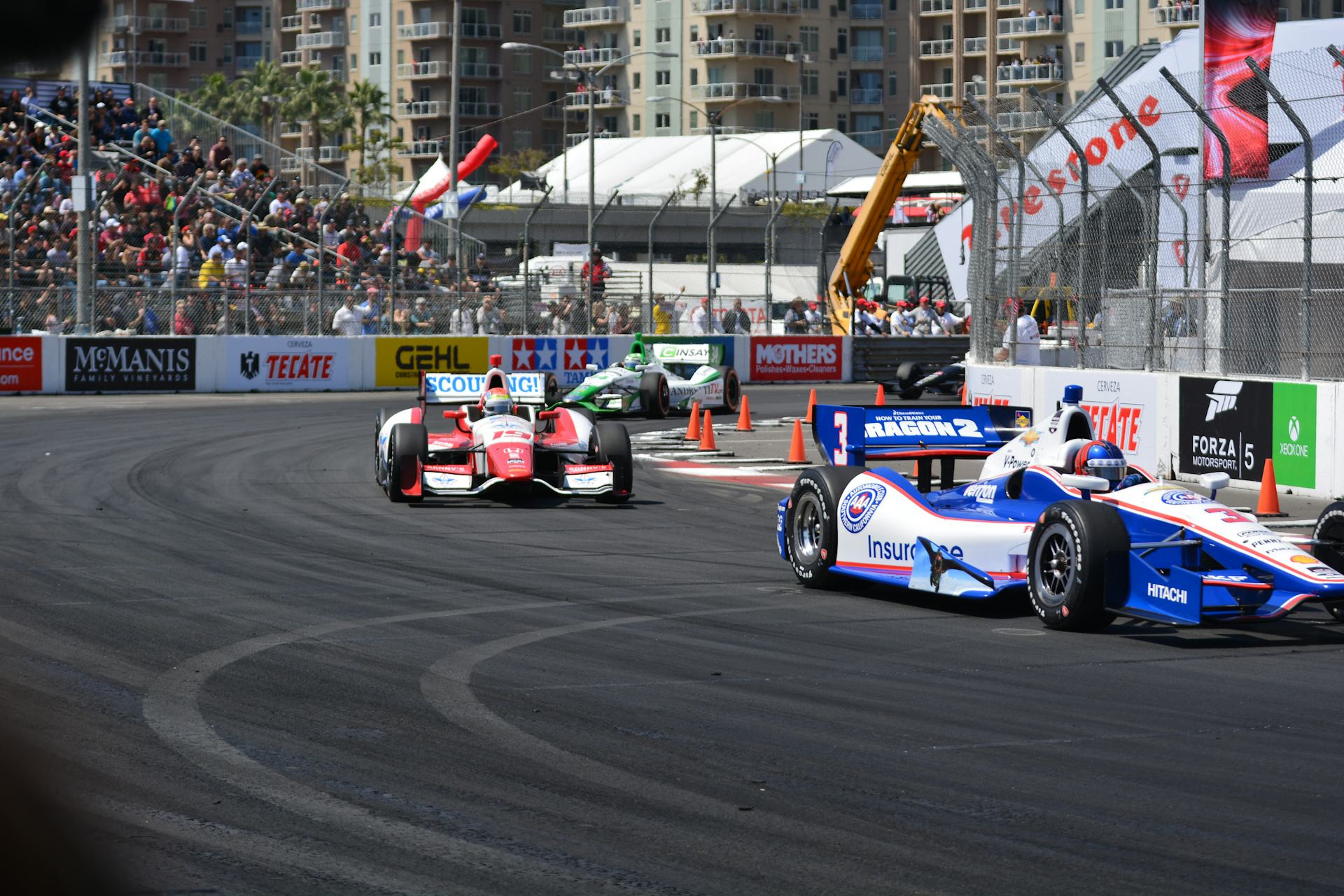
In NASCAR, for example, teams analyze telemetry to determine the optimal moment for a pit stop, balancing tire wear, fuel load, and track position. A few seconds gained or lost can decide the outcome of a race. That’s why the engineers behind the screens are just as crucial as the mechanics holding the wrenches.
Sensors That See the Invisible
The most advanced sensors measure not only physical values like temperature and pressure but also vibrations, airflow, and microscopic movements in the car’s components. With this data, engineers can detect early signs of wear or structural weakness before they lead to failure.
In electric racing series such as Formula E, sensors play an especially critical role. They constantly monitor battery temperature, voltage, and energy consumption to ensure maximum efficiency and safety. Even small adjustments in energy management can mean the difference between crossing the finish line—or running out of power on the final lap.
From Track to Street
The technologies developed in motorsports often find their way into everyday vehicles. Systems like adaptive cruise control, stability management, and advanced tire pressure monitoring all have roots in racing’s data-driven innovation. Motorsports serve as a testing ground where new sensors and algorithms are pushed to their limits before being adapted for consumer cars.
That means every time you drive a modern vehicle, you’re benefiting—indirectly—from the same data technology that helps win races.
The Future: Artificial Intelligence and Automated Analysis
The next big leap in motorsports data is artificial intelligence. AI systems can analyze massive amounts of information faster than humans and identify patterns that would otherwise go unnoticed. This can help predict grip levels, optimize energy use, or even suggest real-time setup changes.
Some teams are already experimenting with machine learning models that anticipate how a driver will react in specific situations—helping both car and driver perform more consistently and effectively.
Læs også:

Data: The Difference Between Winning and Losing
Today, motorsports is a battle of milliseconds—and megabytes. The teams that best understand and exploit their data have a clear advantage. Sensors and telemetry have made racing more precise, efficient, and scientific—but also more dependent on the reliability of technology.
For fans, that means every race is not just about speed, but also about intelligence—both human and digital. In 21st-century motorsports, driving fast is essential, but thinking faster is what truly wins.
Læs også: