Leagues and Tournaments: How Differences Affect the Betting Economy


Leagues and Tournaments: How Differences Affect the Betting Economy
When the whistle blows and the games begin, millions of fans tune in—and with them comes a massive betting market. But not all leagues and tournaments are created equal, and their structural and cultural differences have a major impact on how money moves through the betting economy. From the NFL’s tightly regulated schedule to the unpredictability of March Madness, the format, popularity, and transparency of a competition shape both the odds and the behavior of bettors.
Popularity and Exposure Drive Betting Volume
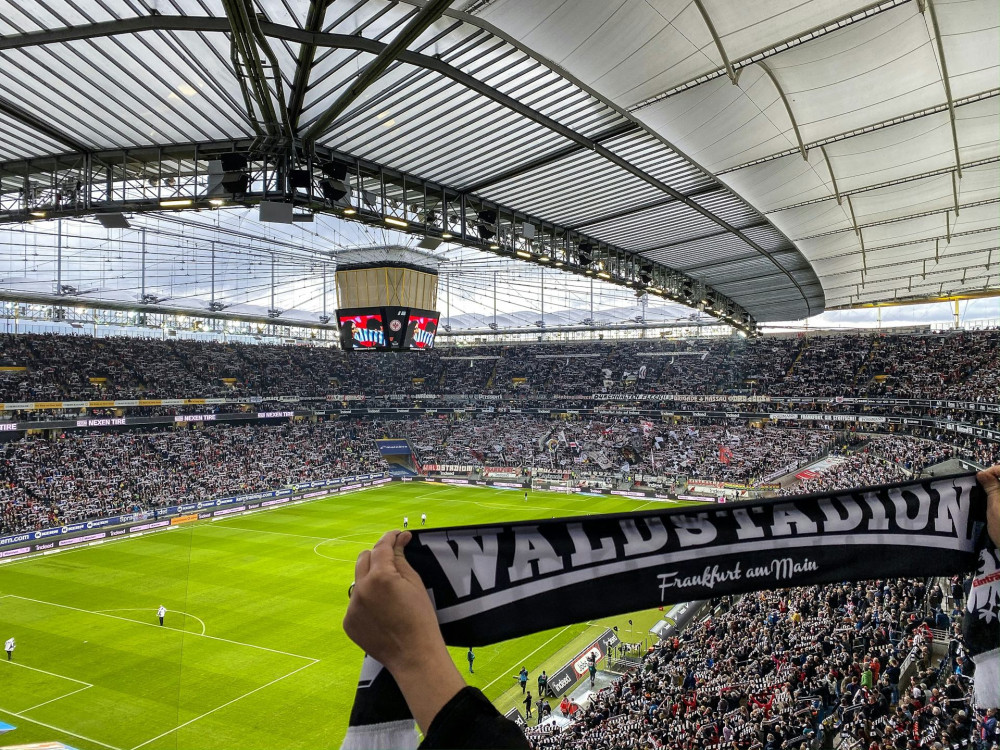
The most-watched leagues—like the NFL, NBA, and English Premier League—attract the lion’s share of betting activity. This isn’t just because of the quality of play, but also because of the media coverage and accessibility that come with them. The more games broadcast nationally or streamed online, the more engagement from bettors, and the larger the market becomes.
In smaller or niche competitions, such as minor league baseball or lower-tier soccer leagues, betting volume is lower, but bookmaker margins can be higher. With fewer bettors and less competition for the best odds, sportsbooks can price more conservatively, balancing risk and reward differently than in high-profile leagues.
Information and Market Efficiency
One of the most critical factors in the betting economy is the level of available information. In major leagues, data, analytics, and injury reports are widely accessible, making the market more efficient. Odds adjust quickly to new information—like player injuries, coaching changes, or weather conditions—leaving little room for bettors to find undervalued opportunities.
In smaller or less-covered tournaments, however, information gaps can create inefficiencies. Local bettors or dedicated analysts may have an edge because sportsbooks don’t always have the same depth of data. This creates a more volatile market, where higher risk can also mean higher potential reward.
Tournament Structure and Motivation
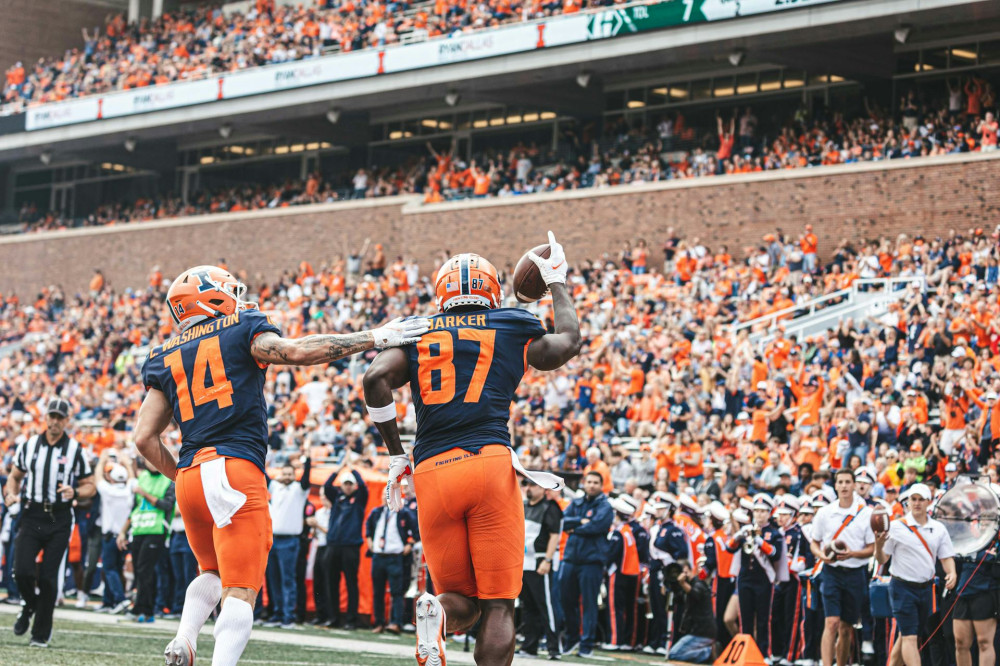
The format of a competition also plays a key role. In knockout tournaments like the NCAA basketball championship or the U.S. Open Cup, motivation and rotation can heavily influence outcomes. Favorites may rest key players, and underdogs can pull off surprising upsets—factors that often lead to longer odds and greater volatility.
In contrast, league formats that span an entire season, such as Major League Baseball or the NBA, reward consistency. Over dozens of games, statistical trends stabilize, and bookmakers can rely on long-term data to set more accurate lines. This makes the betting market more predictable, though often less dramatic.
Economic Disparities Between Leagues
The financial strength of a league affects not only player salaries and team stability but also betting patterns. Wealthy leagues with strong governance and transparency—like the NFL or Premier League—tend to inspire greater trust among bettors. The risk of match-fixing or financial collapse is low, which encourages higher betting volumes.
In smaller or less stable leagues, economic uncertainty can dampen activity. Sportsbooks may limit wager sizes or avoid offering certain matches if they perceive elevated risk. For bettors, this means fewer opportunities but potentially higher variance when betting is available.
Globalization and Emerging Markets
The betting economy is increasingly global. From European soccer to American college sports and the rise of esports, technology has made it possible to wager on live events anywhere, anytime. Differences between leagues now extend beyond geography—they also involve digital accessibility, data quality, and regulatory environments.
For sportsbooks, the challenge is balancing risk and interest: offering bets on popular leagues with tight margins while exploring niche markets where profits can be higher. For bettors, understanding the dynamics of each league—its structure, competitiveness, and data transparency—has become more important than ever.
Læs også:




A Complex and Evolving Economy
Differences between leagues and tournaments create diversity, and that diversity is what keeps the betting economy alive. Each competition has its own rhythm, risks, and opportunities. For some, betting is entertainment; for others, it’s an analytical pursuit.
But whether one bets casually or professionally, one truth remains: understanding how league structure, popularity, and economics shape the market is key to navigating the modern world of sports betting.
Læs også: