NFL Futures Bets: Using Player Roles and Statistics to Evaluate Potential

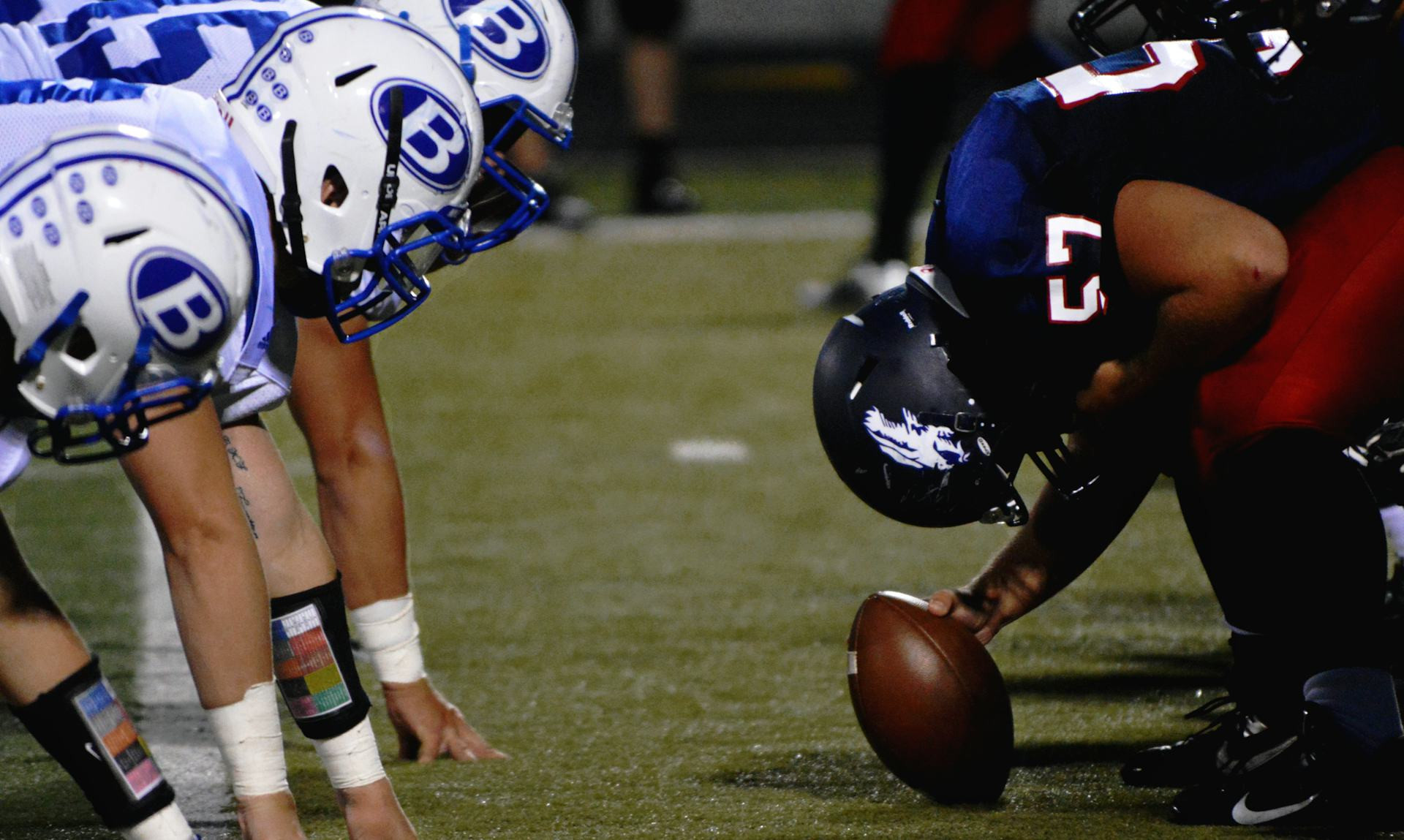
NFL Futures Bets: Using Player Roles and Statistics to Evaluate Potential
NFL futures bets are all about predicting how teams and players will perform over an entire season—long before the first kickoff. These wagers can range from who will win the Super Bowl to how many passing yards a quarterback will throw for, or whether a rookie will take home Offensive Player of the Year honors. Finding value in these long-term bets requires more than gut instinct. It’s about understanding player roles, team dynamics, and the statistical patterns that tend to repeat from season to season.
What Is a Futures Bet?
A futures bet is a wager that’s settled over time—usually at the end of the season. In the NFL, that can include:
- Team-based bets: Who will win the Super Bowl, a division, or make the playoffs?
- Player-based bets: Who will be MVP, lead the league in rushing yards, or score the most touchdowns?
- Season totals: Over/under on a player’s total yards, sacks, or interceptions.
Because these bets are often placed months before the season starts, odds can shift dramatically as injuries, trades, and roster changes reshape expectations. That makes timing and analysis crucial.
Understanding Player Roles and Systems
One of the biggest mistakes bettors make is evaluating players in isolation—without considering how they fit into their team’s system. A running back might be incredibly talented, but if his team runs a pass-heavy offense, his statistical ceiling will be limited.
- Quarterbacks: Their production depends on play-calling, offensive line protection, and the defensive schemes they face. A new offensive coordinator can completely change a quarterback’s outlook.
- Wide receivers: Target share and quarterback accuracy matter more than raw speed.
- Defensive players: An edge rusher in a 3–4 scheme often gets more sack opportunities than one in a 4–3 setup.
Understanding how a player is used within a system gives a more realistic picture of what to expect statistically—and whether a futures bet offers real value.
Statistics as a Guide—Not a Guarantee
Statistics are essential tools, but they must be used in context. Raw numbers rarely tell the full story. A quarterback might post huge yardage totals but also lead the league in turnovers, which can hurt his MVP chances.
Some key metrics often used in futures analysis include:
- EPA (Expected Points Added): Measures how much a player contributes to the team’s scoring potential.
- Success rate: Tracks how often a play produces a positive outcome relative to down and distance.
- Snap share: The percentage of plays a player is on the field—critical for running backs and receivers.
- Advanced grades and analytics: Metrics from sources like PFF can reveal performance details that don’t show up in box scores.
Combining these data points with context—such as injuries, coaching changes, and strength of schedule—can help identify value before the market adjusts.
Timing and Market Movement
The futures market is constantly moving. A player who shines in preseason can see his odds shorten quickly, while an injury to a key teammate can shift an entire team’s outlook. The best bettors act before the market reacts.
Following beat reporters and local media closely can provide an edge. They often report on training camp developments, role changes, and internal evaluations before national outlets catch on. That early information can be the difference between getting a great price and chasing steam.
Managing Risk and Diversifying Bets
Futures bets tie up capital for months, and uncertainty is high. That’s why diversification is key—spread your wagers across teams, players, and bet types. Instead of going all-in on one MVP candidate, consider smaller bets on several players or teams where the odds still offer value.
It can also make sense to pair team futures (like division winners) with player futures (like statistical over/unders). If you believe in a team’s offensive potential, backing both the quarterback’s passing yard total and the team’s playoff chances can be a smart, correlated strategy.
Læs også:



Balancing Data and Intuition
While analytics and models provide a strong foundation, the NFL remains unpredictable. Injuries, weather, officiating, and momentum can all swing outcomes. The best futures bettors blend data with intuition and a feel for the league’s rhythm.
Tracking developments week by week, adjusting expectations, and learning from past seasons are key to improving over time. Futures betting isn’t just about prediction—it’s about understanding how the NFL operates as a complex system of players, coaches, and strategies.
Læs også: