Number of Rounds and Format: The Overlooked Factors in Boxing Betting


Number of Rounds and Format: The Overlooked Factors in Boxing Betting
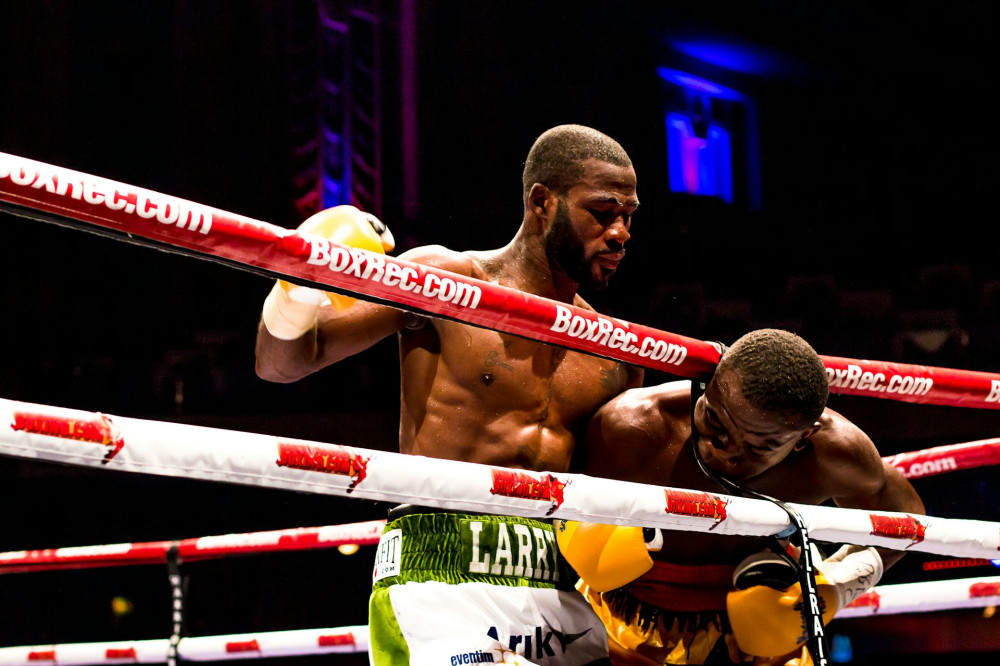
When people talk about betting on boxing, the conversation usually revolves around favorites, knockout power, and past performances. But two of the most underestimated variables in any fight — and therefore in any betting analysis — are the number of rounds and the fight format. These details don’t just shape the rhythm of a bout; they also influence how and when a fighter is most likely to win. For bettors who want to go beyond surface-level stats, understanding these factors is essential.
Why the Number of Rounds Matters More Than You Think
In professional boxing, the number of rounds varies depending on the level and status of the fight. Bouts can be scheduled for 4, 6, 8, 10, or 12 rounds. It might sound like a technicality, but it has a major impact on pace, stamina, and strategy.
- Short fights (4–6 rounds) often favor explosive punchers who look to end things early. There’s less time to adjust or wear down an opponent, so the risk of an early knockout is higher.
- Longer fights (10–12 rounds) demand endurance, tactical discipline, and adaptability. A technically skilled boxer who may lack one-punch power can still dominate over time by controlling distance and pace.
For bettors, this means evaluating whether a fighter has experience at the scheduled distance. A boxer who shines in short bouts might struggle to maintain energy and focus over 30 to 36 minutes of fighting.
The Format: Title Fight, Amateur, or Exhibition
The format determines not only the number of rounds but also the rules, glove size, and scoring system. It’s a crucial piece of context for any betting decision.
- Title fights almost always go 12 rounds and tend to be more tactical. Fighters are cautious early, knowing that one mistake can cost them the belt.
- Amateur bouts (typically 3 rounds) emphasize scoring points rather than knockouts. Speed, accuracy, and volume matter more than raw power.
- Exhibition matches — which have become popular with celebrities and influencers — often follow special rules. They may be shorter, use larger gloves, and sometimes have no official winner. While betting options are limited, the format still affects how the fight unfolds.
Knowing the format isn’t just a formality — it’s a key to predicting the fight’s tempo and potential outcomes.
Over/Under Bets and Round Analysis
One of the most common boxing wagers is the over/under on total rounds — whether the fight ends before or after a certain point. Here, understanding the number of rounds and the format becomes critical.
Example: A 12-round fight with an “over/under 8.5 rounds” line requires you to assess whether the fighters typically go the distance. A technical matchup between two experienced boxers often goes over, while a clash between heavy hitters in lower weight classes might end early.
Stats like “average fight length” and “knockout ratio” can help, but they must be interpreted in context. A fighter who racks up early stoppages in 6-round bouts may find it harder to finish opponents in a 12-round title fight.
Læs også:



Pace, Strategy, and the Judges’ Influence
The longer a fight goes, the more tactics and judging come into play. In extended bouts, fighters often “steal” rounds with late flurries, and judges may reward the one pressing forward. That means a slow starter can still win on points — a factor that can flip the outcome of a bet.
Refereeing style also matters. Some referees allow more inside fighting and physical exchanges, while others break clinches quickly. This can determine whether a fight becomes a technical chess match or a high-pressure brawl — and that, in turn, affects how long it lasts.
How to Use Format Knowledge in Your Betting
When analyzing a fight, ask yourself:
- How many rounds is the fight scheduled for, and do the fighters have experience at that distance?
- What format applies — professional, title, amateur, or exhibition?
- How do their styles fit the length and rules of the bout?
- What do past fights in similar formats reveal about their performance?
By combining these insights, you can spot value where others overlook it. Many bettors focus on names and knockout percentages, but the sharpest ones look at context — and that’s where round count and format make all the difference.
Conclusion: The Small Details That Make a Big Difference
Boxing is a sport of fine margins — and the same is true in betting. The number of rounds and the fight format aren’t just technical details; they’re keys to understanding rhythm, strategy, and likely outcomes. Bettors who learn to read these factors gain an edge in a market where many still rely on instinct instead of insight.
Læs også: