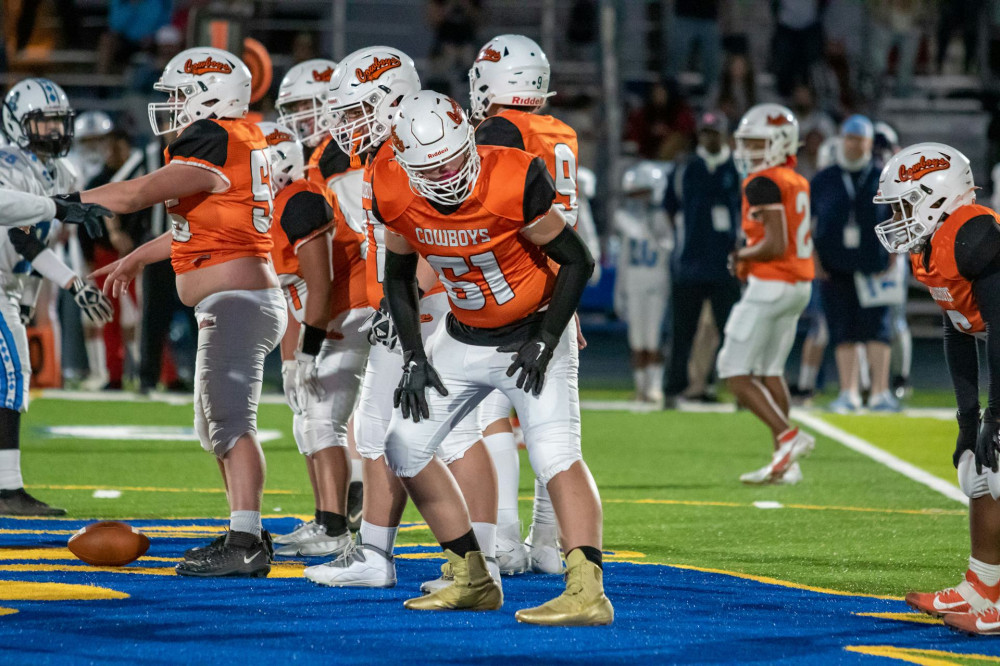
Team and Player Form: The Overlooked Factor in Game Analysis


Team and Player Form: The Overlooked Factor in Game Analysis
When analyzing sports—whether it’s football, basketball, baseball, or esports—most people focus on stats, tactics, and historical results. But one crucial element often gets overlooked: form. The current form of a team or player can be the deciding factor in a game’s outcome, yet it’s frequently reduced to a quick glance at recent wins and losses. In reality, form is far more complex and can provide a major edge in any kind of game analysis.
What Does “Form” Really Mean?
Form isn’t just about whether a team has been winning or losing lately. It’s about how they’re performing relative to their usual level. A team might lose three games in a row but still play well—perhaps against top-tier opponents or due to unlucky breaks. Conversely, a team might win several games without truly impressing, especially if those wins came against weaker competition or through fortunate moments.
That’s why form should be evaluated qualitatively, not just quantitatively. It’s about looking beyond the results: How were the games played? Which players stood out? How was the team’s energy and cohesion?
Player Form – The Individual Rhythm
A single player in top form can change the entire dynamic of a team. In basketball, a confident shooter can swing momentum with a hot streak. In baseball, a hitter seeing the ball well can carry an offense for weeks. In tennis, a player moving freely and striking cleanly can suddenly upset higher-ranked opponents.
Player form is influenced by many factors: physical condition, mental focus, motivation, and even off-field circumstances. A player returning from injury may need time to regain rhythm, while a young athlete getting their first real opportunity might ride a wave of confidence and surprise everyone.
When analyzing games, it’s essential to identify which players are currently performing above or below their usual level—and how that affects the team as a whole.
Team Form – More Than the Sum of Its Parts
A team’s form isn’t just the sum of individual performances. It’s also about chemistry, tactics, and morale. A team in good form plays with flow, trust, and energy. Players anticipate each other’s moves, and the coach’s strategy clicks. When form dips, you often see the opposite: hesitation, poor communication, and frustration.
Team form can also depend on the type of opponent. Some teams thrive against aggressive, high-pressing opponents, while others perform best when they can control the tempo. That’s why form should always be assessed in context—not just by results, but by how those results were achieved and against whom.
Læs også:



Measuring Form in Practice
There are many ways to assess form, but the best analyses combine data and observation. Here are a few practical methods:
- Recent performances: Look at the last 5–10 games, but weigh the quality of opponents and the nature of each contest.
- Underlying metrics: Advanced stats like expected goals (xG) in soccer, efficiency ratings in basketball, or on-base plus slugging (OPS) in baseball can reveal whether results reflect true performance.
- Player data: Track individual metrics such as shooting percentage, passing accuracy, or defensive contributions.
- Body language and energy: In team sports, you can often read form through attitude—are players engaged and confident, or sluggish and uncertain?
- Coach comments and injuries: When a coach mentions fatigue or lack of intensity, it’s often a clue that form is slipping.
By combining these elements, analysts can build a more nuanced picture of where a team or player truly stands right now.
Why Form Is Often Undervalued in Betting and Analysis
Many bettors and analysts rely too heavily on historical data and standings. But sports are dynamic—and form is what captures that dynamism. A mid-table team from a month ago might suddenly be one of the league’s best if it’s found its rhythm. Conversely, a top team can falter due to injuries, fatigue, or internal issues.
Understanding form is about timing. It’s not enough to know who’s generally the best—you need to know who’s best right now.
The Human Element
Form ultimately reflects human performance. Motivation, confidence, and relationships matter enormously. A team fighting to make the playoffs can outperform expectations, while one that’s already clinched a spot might lack intensity. Media pressure, locker-room atmosphere, and even personal milestones can all influence form.
That’s why good analysis blends numbers with intuition. The human side of sport can’t be captured entirely by data, but it often explains why results defy the odds.
Conclusion: Form as the Key to Better Analysis
To understand team and player form is to understand the heartbeat of sport. It’s about seeing beyond the scoreboard and into the dynamics that drive performance. When you learn to read form correctly, you gain a clearer, more realistic view of what might happen next—and a stronger foundation for both analysis and prediction.
Form isn’t just a detail. It’s often the factor that separates an average assessment from a truly insightful one.
Læs også: