The Jackpot Culture: From Casinos to Gaming Apps and Lotteries

The Jackpot Culture: From Casinos to Gaming Apps and Lotteries
The dream of hitting the big win has always fascinated people. From the glittering casino floors of Las Vegas to the mobile gaming apps in our pockets, the pursuit of the jackpot has become a defining part of modern entertainment. Today, gambling is no longer confined to casino halls—it’s woven into everyday life, from lottery tickets at the grocery store to digital slot machines on our phones. But what keeps the jackpot culture alive, and how has it evolved from physical games to digital experiences?
From Roulette Wheels to Digital Reels
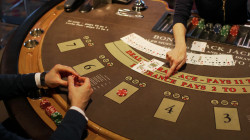
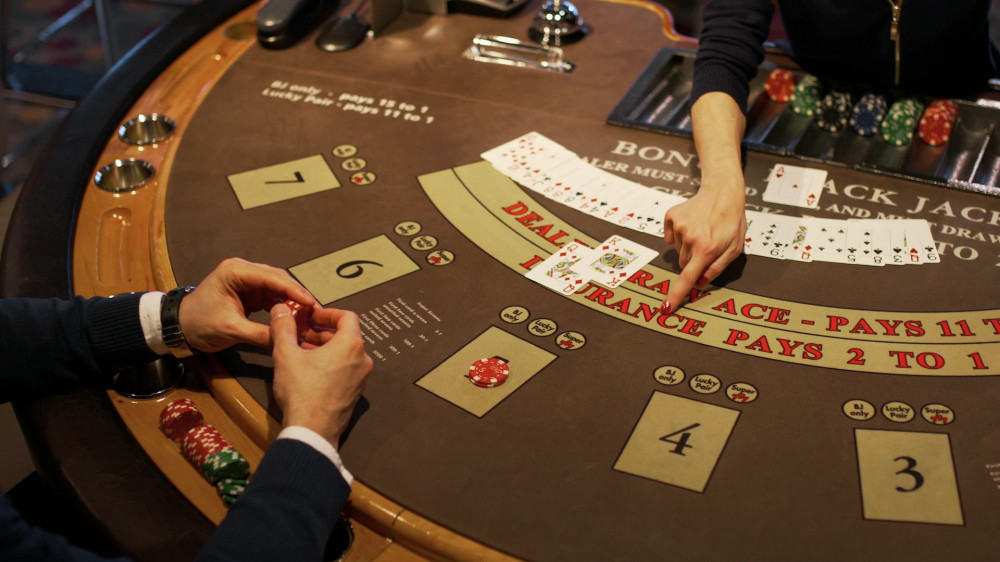
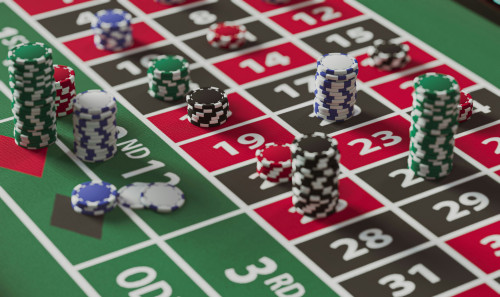
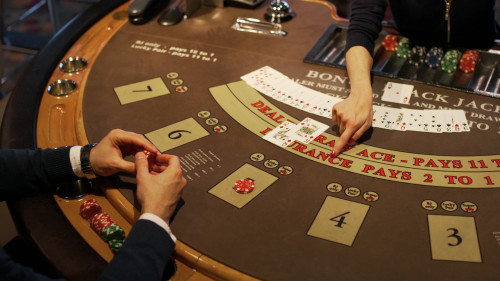
Casinos have long been symbols of glamour, risk, and fortune. In the United States, Las Vegas and Atlantic City became icons of this culture in the 20th century, offering a mix of entertainment, luxury, and the tantalizing promise of instant wealth. Games like roulette, blackjack, and slot machines became cultural touchstones—representing both excitement and excess.
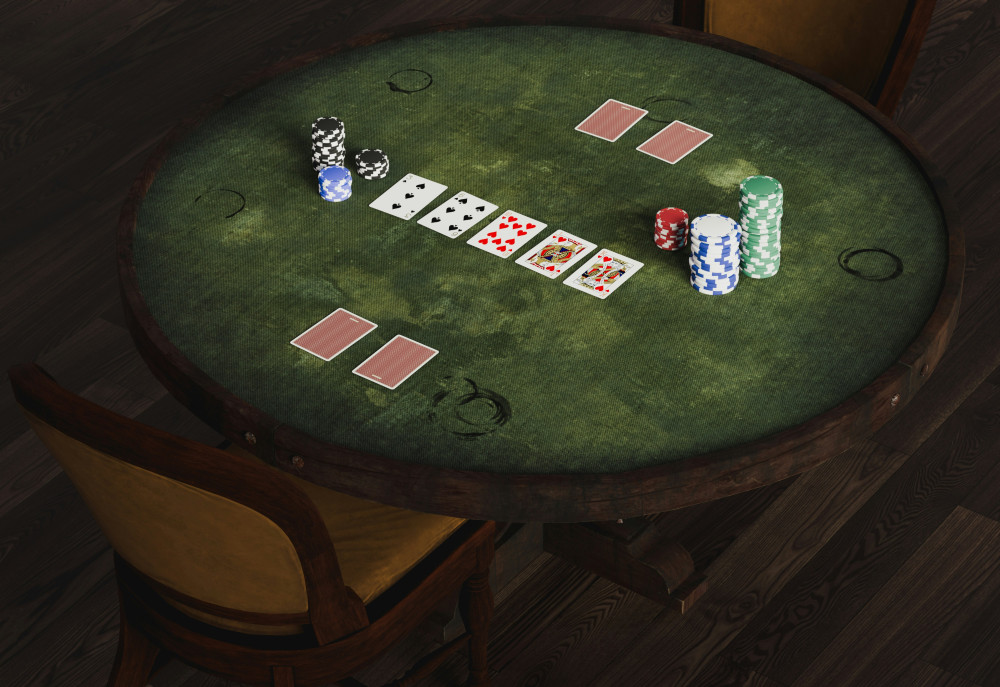
Today, those same games have gone digital. Online casinos and mobile apps offer thousands of variations, accessible anytime and anywhere. With just a tap, players can spin, bet, and win—or lose—without ever leaving home. This digital shift has made gambling more accessible than ever, but also more constant and, for some, more difficult to control.
The Popular Appeal of Lotteries
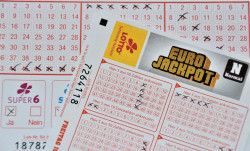
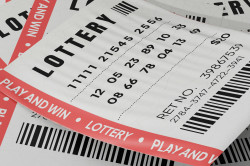
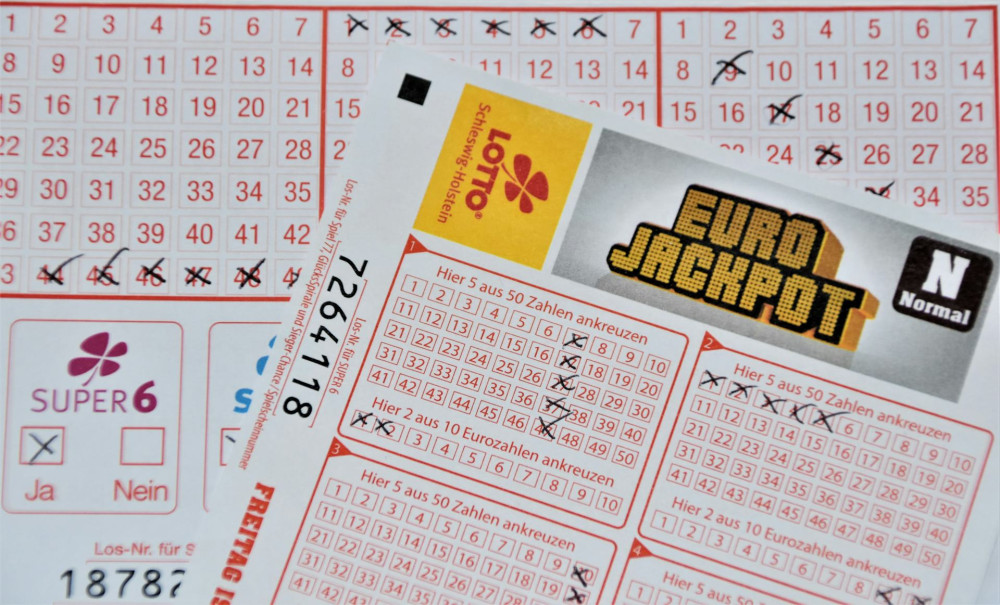
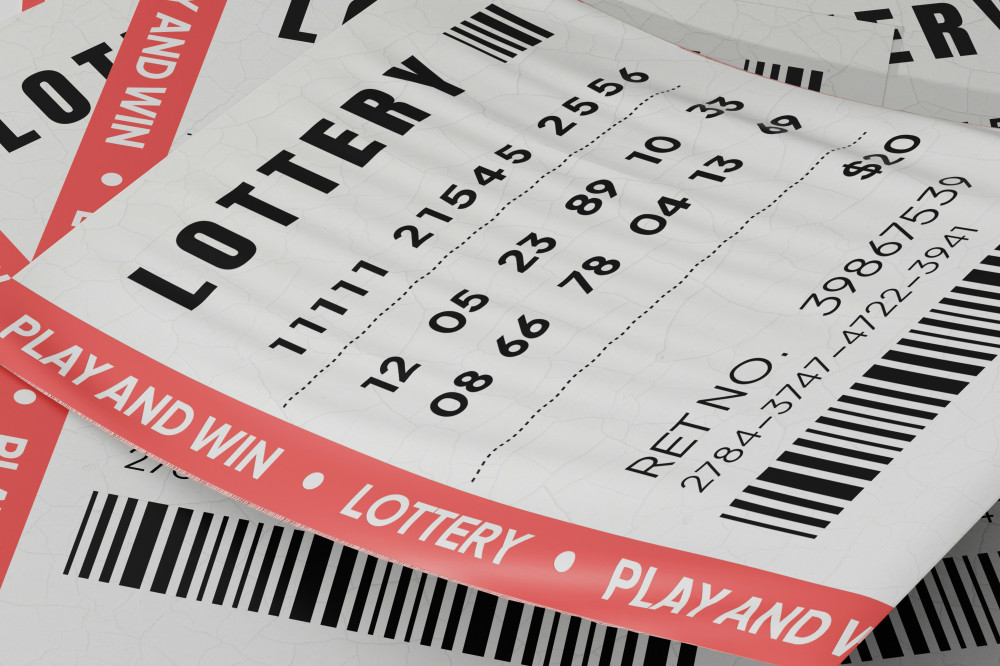
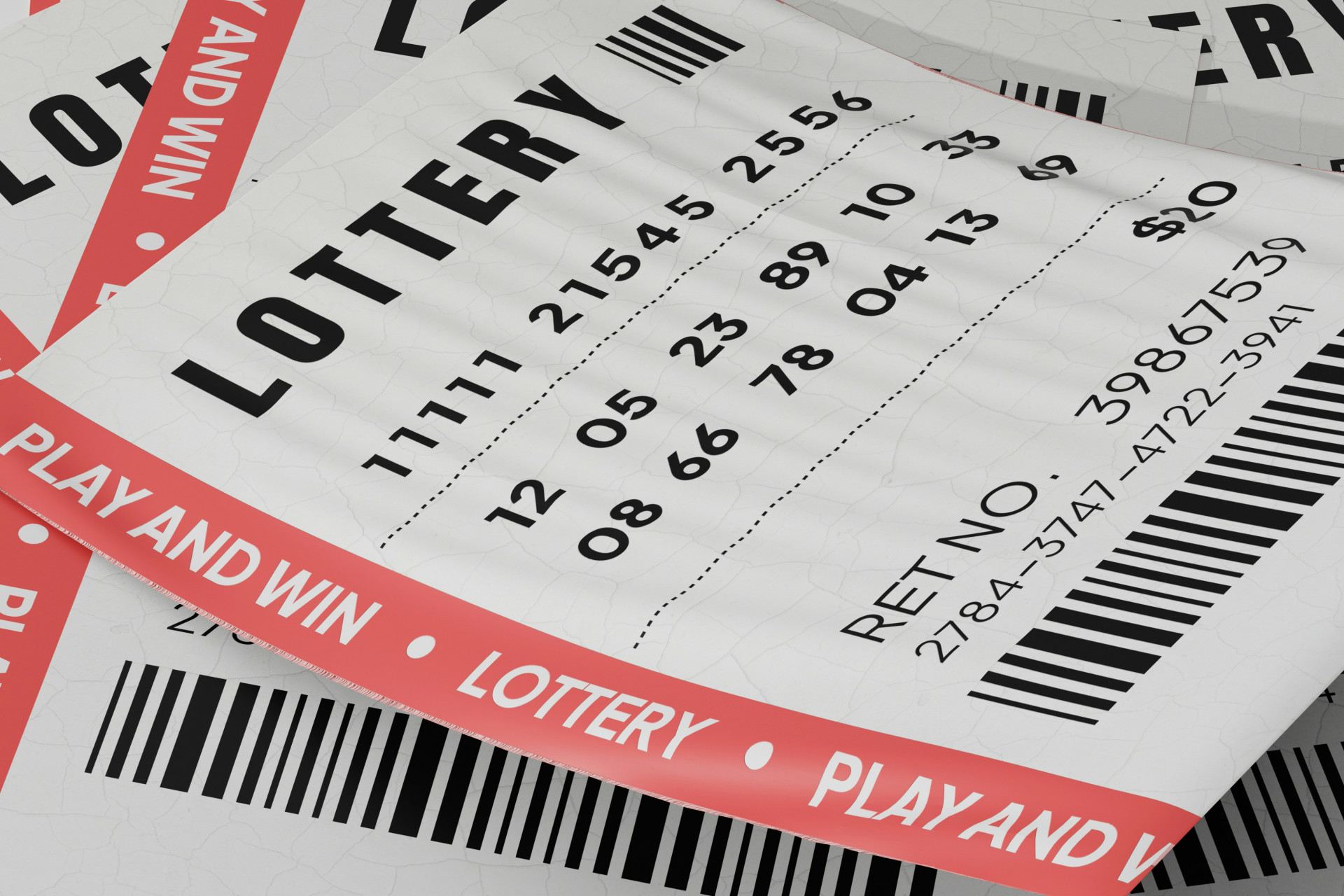
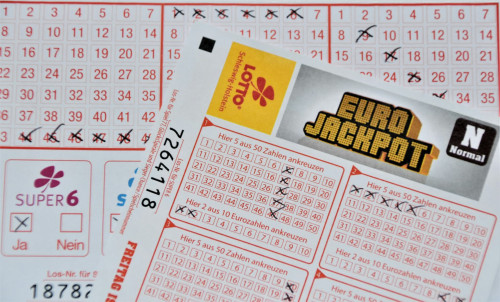
While casinos often evoke images of high rollers and neon lights, lotteries have always had a more universal appeal. From Powerball to Mega Millions, Americans across all backgrounds buy tickets in hopes of transforming their lives overnight. The record-breaking jackpots—sometimes reaching billions—turn each drawing into a national event, sparking conversations in offices, families, and online communities.
Lotteries hold a special place in the jackpot culture because they combine hope and community. Office pools and family syndicates make the dream a shared experience. And because most lotteries are state-run, they carry an air of legitimacy and public benefit, often funding education or infrastructure projects. That sense of contributing to the common good helps distinguish lotteries from other forms of gambling.
Gaming Apps and the Rise of Gamification
In recent years, the line between gaming and gambling has blurred. Mobile games and apps increasingly use casino-like mechanics—daily rewards, spinning wheels, and “jackpot” bonuses—to keep users engaged. Even apps that don’t involve real money often rely on the same psychological triggers: anticipation, near-misses, and the thrill of winning.
This trend, known as gamification, extends beyond entertainment. Fitness apps reward users for reaching goals, shopping platforms offer “spin-to-win” discounts, and social media platforms use streaks and badges to encourage engagement. The mechanics of chance and reward have become part of everyday digital life, making the jackpot mindset more pervasive than ever.
Læs også:
The Psychology Behind the Jackpot
Jackpot culture isn’t just about money—it’s about emotion. The rush of being “so close” to a win, the flashing lights, and the celebratory sounds all activate the brain’s reward system. That surge of dopamine creates a fleeting euphoria that many seek to experience again and again.
Psychologists note that unpredictability is key to this effect. The fact that you never know when the next win will come keeps players hooked—a mechanism similar to what drives people to check their phones for notifications or refresh social media feeds. It’s the promise of a reward, not the reward itself, that keeps us coming back.
When Entertainment Becomes a Challenge
For most people, gambling and gaming are harmless fun. But the easy access to online platforms has made it easier to lose track of time and money. In the U.S., concerns about problem gambling have led to increased regulation, including age restrictions, advertising limits, and self-exclusion programs. Many states also fund helplines and treatment programs for those struggling with gambling addiction.
At the same time, gaming companies are under growing pressure to promote responsible play. Tools that allow users to set spending limits, take breaks, or track their activity are becoming more common. The goal is to preserve the excitement of the game while minimizing harm.
A Culture in Constant Motion
The jackpot culture reflects the spirit of our time—fast, digital, and driven by the dream of sudden success. Where casinos once stood as physical monuments to chance, the modern jackpot lives in our apps, our screens, and our imaginations. Yet the core fascination remains unchanged: the thrill of risk, the hope of reward, and the belief that luck might just strike once in a lifetime.
Whether it’s scratching a lottery ticket, spinning a digital reel, or earning a bonus in a mobile game, the jackpot culture continues to shape how we play, dream, and chase the feeling of possibility. It’s not just about winning money—it’s about the enduring human desire to beat the odds, if only for a moment.
Læs også: