Odds as a Benchmark: Is Horse Betting Risky or Realistic?

Odds as a Benchmark: Is Horse Betting Risky or Realistic?
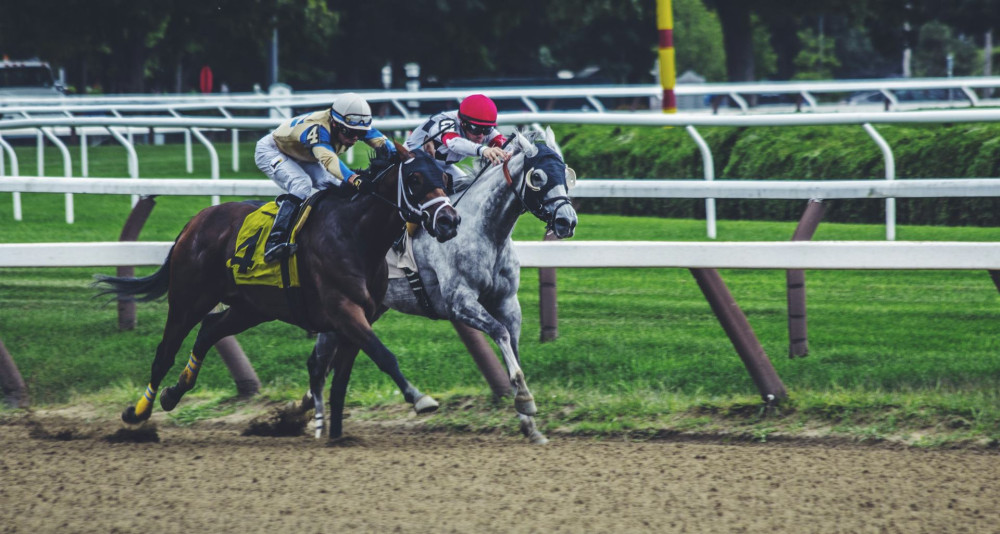
Horse racing has long been woven into the fabric of American sports culture — from the Kentucky Derby’s pageantry to the thrill of a photo finish at Belmont Park. For some, betting on horses is a test of skill, analysis, and intuition. For others, it’s a gamble where luck reigns supreme. But how realistic is it to use odds as a benchmark for success — and where does the line between risk and reason truly lie?
What Odds Really Mean
In horse betting, odds are more than just numbers on a tote board — they represent probability. Low odds suggest that many bettors expect a horse to win, while high odds indicate a long shot. Yet odds are not an objective truth. They reflect the collective judgment of the betting market — what all participants, together, believe will happen.
That means odds are shaped by both knowledge and psychology. A popular horse might have shorter odds than its actual chances justify, simply because many people are betting on it. Conversely, an overlooked contender might offer a high payout if it surprises the field. Understanding whether a bet is realistic requires more than reading the numbers — it demands insight into how those numbers came to be.
Data, Form, and Intuition
Experienced bettors often talk about “value” — when a horse’s true chance of winning is greater than the odds suggest. Finding that value takes more than luck. It involves studying a horse’s recent form, the jockey’s record, track conditions, and past performances. Statistics can provide a foundation, but intuition still plays a role.
A horse that struggles on muddy tracks might suddenly excel on a dry, fast surface. A jockey with a sharp sense of pace can take advantage of a field that breaks too quickly. It’s this blend of data and human judgment that makes horse betting both fascinating and unpredictable.
The Risk — and the Appeal
There’s no denying that horse betting carries risk. The odds are rarely in the bettor’s favor, and many lose more than they win. But for countless fans, it’s not just about the money. It’s about the excitement — following the races, analyzing the form, and feeling part of a storied sport.
Still, it’s crucial to know your limits. Setting a budget, sticking to it, and treating betting as entertainment — not income — are key to keeping the experience enjoyable. When the focus shifts to chasing losses, both the fun and the realism disappear.
Læs også:

Can You Bet Realistically?
Yes — if you do it thoughtfully. Realistic betting means understanding probabilities, accepting risk, and staying within your own boundaries. It means using odds as a guide, not a guarantee. It also means applying knowledge: following races, reading expert analysis, and learning from mistakes.
Professional bettors often use systems that identify when odds offer genuine value. They know that success isn’t measured by a single win, but by consistent results over time. For most casual fans, though, the goal is simpler — to enjoy the sport, the atmosphere, and the thrill of the race.
A Sport Balancing Risk and Realism
Horse betting sits at the crossroads of sport and speculation. It can be risky if approached recklessly, but realistic if done with awareness and respect for probability. Odds can serve as a useful benchmark — but only if we remember that they don’t predict the future; they merely reflect what we believe might happen.
Ultimately, it’s this mix of knowledge, excitement, and uncertainty that makes horse racing so captivating. It’s a world where horse, rider, and chance run side by side — and where realism lies in knowing the difference between luck and insight.
Læs også: