The Driver as a Strategist: Preparing for Different Tracks and Distances


The Driver as a Strategist: Preparing for Different Tracks and Distances
In harness racing, victory depends on far more than the horse’s strength and speed. It also hinges on the driver’s ability to read the race, the track, and the distance. A skilled driver is a strategist who adapts to the unique conditions each race presents. Preparation begins long before the starting gate opens—and it’s often in that preparation that the difference between a good and a great performance is made.
Know the Track – and Its Character
No two tracks are exactly alike. Some are fast and firm, others deep and demanding. Some have tight turns that require precision, while others are wide and allow for sustained speed. A driver who understands the character of the track can plan the race accordingly.
- Clay and dirt tracks often require a more measured start, as the surface can be heavy and create more resistance. Here, conserving energy for the stretch drive is key.
- Hard-packed surfaces allow for higher speeds but demand careful control to prevent the horse from expending too much energy too early.
- Weather conditions also play a major role—rain can make the track slick, while heat and dryness can make it hard and fast. An experienced driver adjusts both equipment and tactics to match the day’s conditions.
Watching previous races at the same track can provide valuable insight into how it “behaves” under certain conditions—and which positions tend to produce the best results.
Distance Dictates the Pace
A one-mile sprint calls for a completely different approach than a two-mile endurance test. Shorter races reward explosive starts and quick positioning, while longer ones favor patience and energy management.
- Short distances: The start is everything. A strong position early can mean the difference between winning and losing. The driver must know the horse’s acceleration and how much pressure it can handle without losing rhythm.
- Middle distances: Balance is crucial. The driver must read the field, gauge the pace, and decide when to make a move.
- Long distances: Here, composure wins. Maintaining a steady rhythm, conserving strength, and timing the final push perfectly are what separate the best from the rest.
A strategic driver knows the horse’s strengths and weaknesses—and adjusts the pace accordingly.
Preparation Before the Race
Preparation starts in the barn. The driver works closely with the trainer to review the horse’s condition, temperament, and recent performances. At the same time, the competition is analyzed: Which horses tend to take the lead? Who finishes strong? Which drivers are known for aggressive tactics?
Many drivers use video replays and performance data to plan their strategy. Small details—such as where the horse prefers to run in the pack or how it reacts under pressure—can determine how the race should be approached.
Læs også:
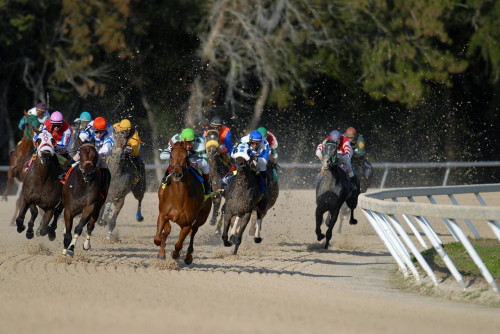
During the Race – Split-Second Decisions
Even the best plan can change the moment the gate opens. A driver must react instantly to unexpected developments: a rival making an early move, a horse losing stride, or an opening appearing in the field.
Strategic driving is about maintaining awareness. Should you take the outside and challenge early, or wait for the stretch? Should you push the pace to tire the competition, or hold back for a late surge? These decisions happen in seconds—and require both experience and instinct.
After the Race – Learning and Adjusting
Once the race is over, the analysis begins. A good driver always evaluates the performance: What worked? What didn’t? How did the horse respond to the chosen tactics? Reflection is essential for growth and for improving the ability to read both horse and track.
Collaboration with the trainer and owner is key here. Together, they can adjust training routines, equipment, and future strategies to ensure the horse is even better prepared next time.
Strategy as a Craft
Being a driver is more than just steering a horse around the track. It’s a craft that blends technique, experience, and intuition. The best driver isn’t necessarily the fastest—but the one who knows how to make the most of every stride, every turn, and every moment of the race.
Preparation, analysis, and strategic thinking are what set the seasoned driver apart from the rest of the field. And it’s often in those quiet moments before the race begins that the foundation for victory is truly laid.
Læs også: