Plan Your Cycling Season Using Odds Comparison as a Tool

Plan Your Cycling Season Using Odds Comparison as a Tool
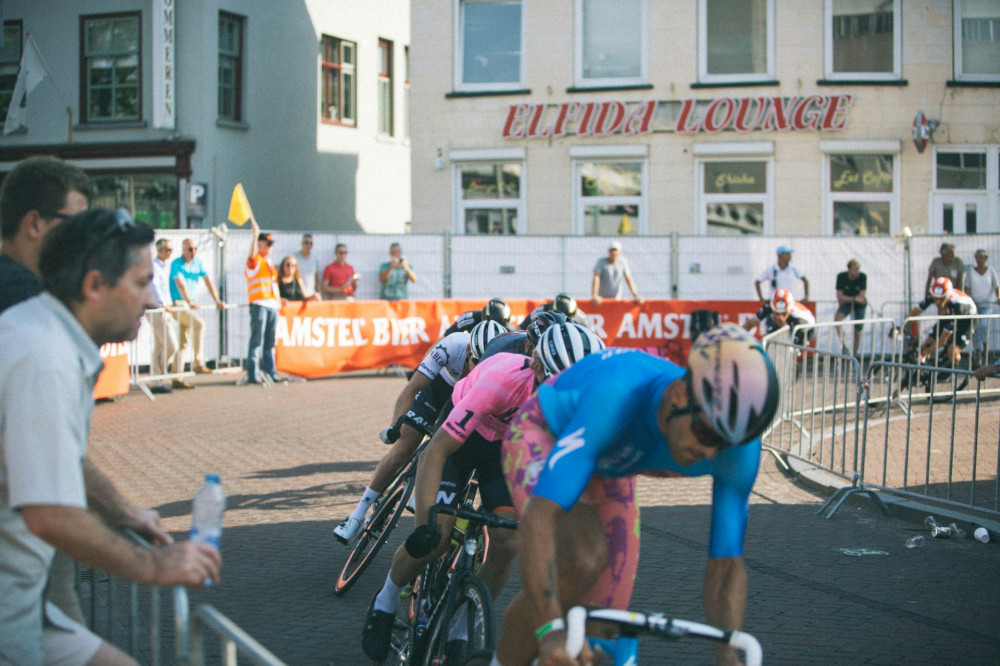
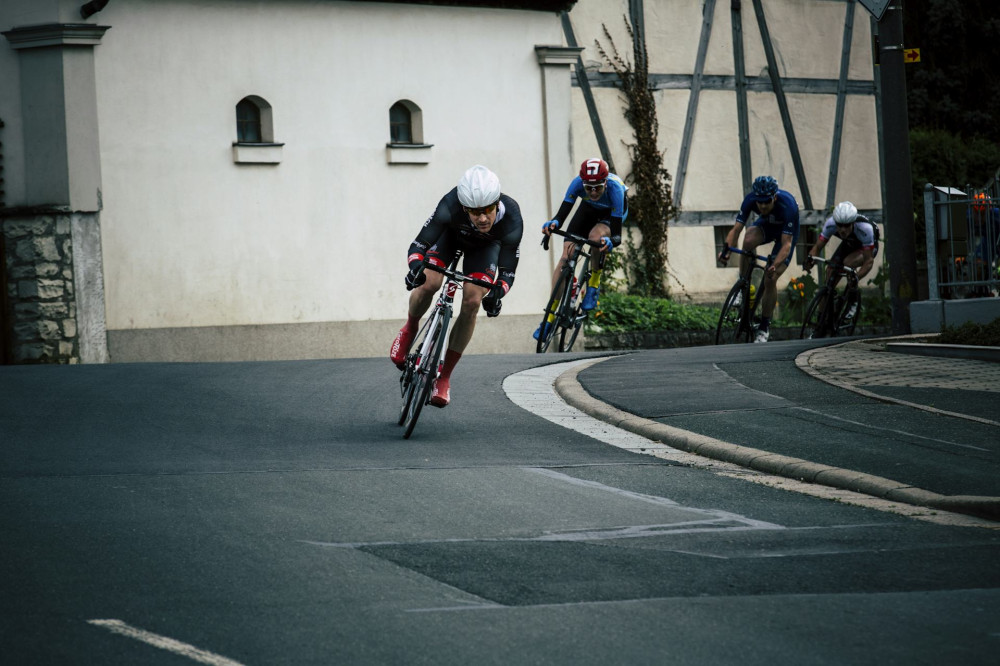
For many cycling fans, spring marks the beginning of a new season filled with excitement, strategy, and unpredictable outcomes. From the cobbled classics in Europe to the major stage races that define the summer, there’s plenty to look forward to—both for those who follow the sport for the thrill of competition and for those who enjoy analyzing odds and predictions. By using odds comparison as a structured tool, you can gain a clearer overview of the season and a deeper understanding of the sport itself.
Know the Calendar – and the Riders’ Form
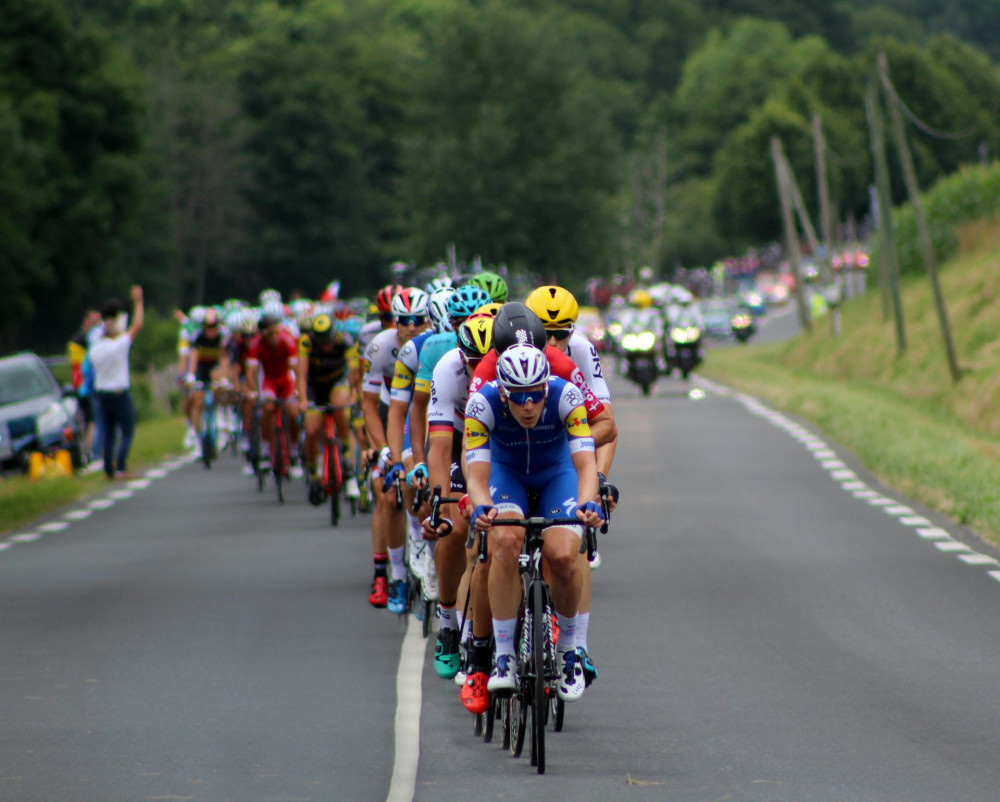
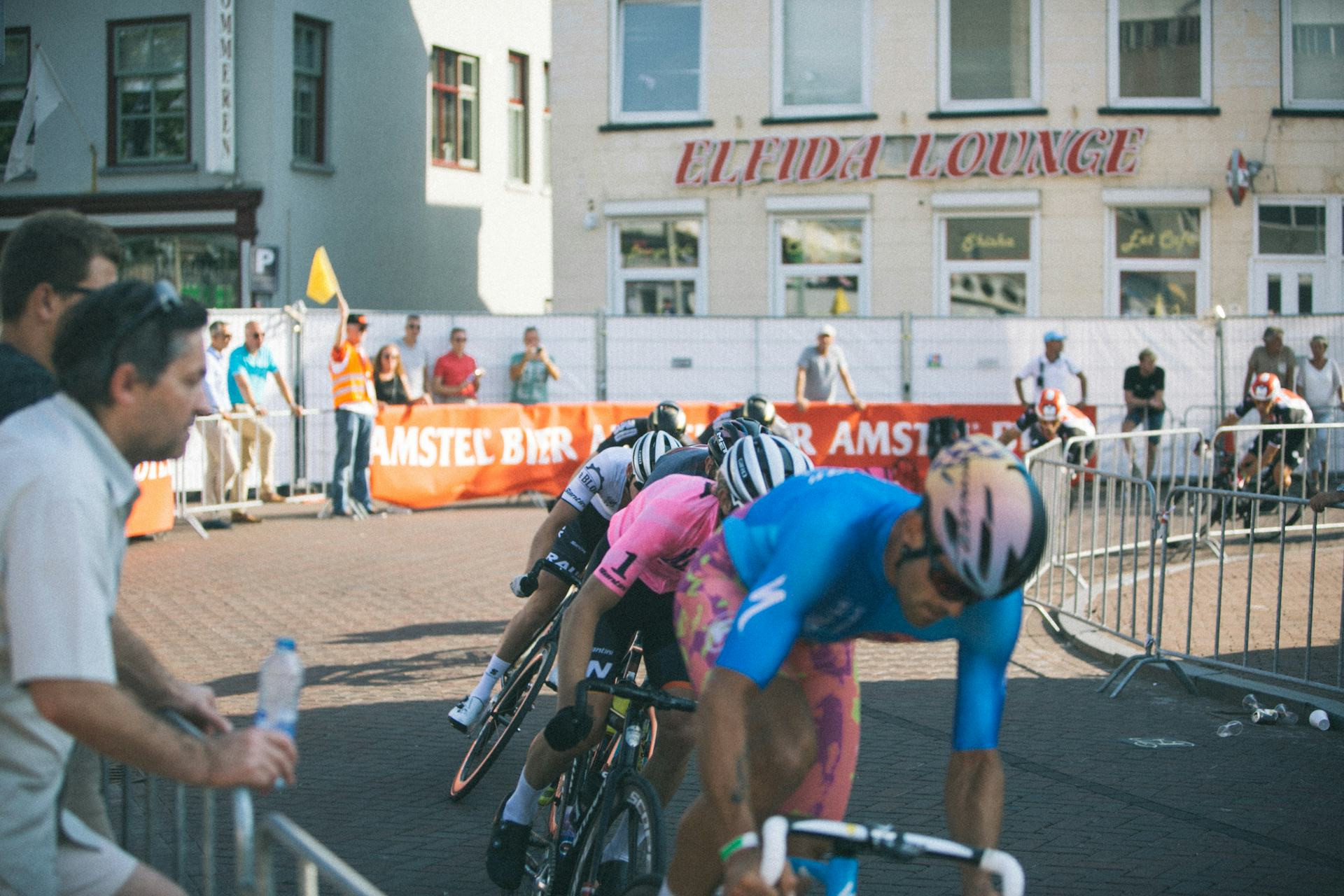
Good planning starts with knowing the race calendar. The professional cycling season stretches from early spring to late fall and includes different types of races: one-day classics, week-long stage races, and the three Grand Tours. Each type of race demands different strengths from the riders—and that’s reflected in the odds.
- Spring Classics (March–April) such as Milan–San Remo, the Tour of Flanders, and Paris–Roubaix reward power, endurance, and tactical awareness. The same specialists often dominate these races.
- Stage Races (May–September) like the Giro d’Italia, Tour de France, and Vuelta a España require consistency, climbing ability, and strong team support.
- Fall Races (September–October) can bring surprises, as fatigue and changing weather conditions often play a role.
By following riders’ form through results, interviews, and team updates, you can better judge whether the odds truly reflect reality.
Læs også:


What Is Odds Comparison – and Why Does It Matter?
Odds comparison means looking at how different sportsbooks assess the likelihood of a particular outcome. In cycling, these differences can be significant because races are complex and influenced by many factors: weather, terrain, tactics, and even luck.
By comparing odds across multiple platforms, you can:
- Find the best value – even small differences in odds can make a big impact over time.
- Spot market trends – if odds suddenly drop, it might signal new information, such as an injury or a change in team strategy.
- Learn from the market – odds often reflect the collective judgment of experts and bettors, offering insight into how riders and teams are perceived.
Several online tools automatically compare odds for cycling events, making it easy to track how the market evolves.
Use Data and Statistics to Support Your Analysis
Cycling is increasingly driven by data. Teams analyze power output, elevation profiles, and wind conditions—and as a fan, you can use much of the same information to inform your perspective.
When comparing odds, consider factors such as:
- Past results on similar terrain or race types.
- Team strength, especially in stage races where support riders are crucial.
- Weather conditions, which can dramatically alter race dynamics.
- Motivation, since some riders use smaller races for preparation while others target them for victory.
Combining statistical insights with odds comparison gives you a more nuanced view of how a race might unfold.
Plan the Season as a Whole
If you follow cycling closely, it pays to plan ahead which races you want to focus on. This helps you track riders’ progress and understand how odds shift throughout the year.
Create a simple calendar that includes:
- The key races you want to follow.
- Notes on riders’ form and recent performances.
- Selected odds from different sportsbooks.
Over time, you’ll start to notice patterns—and perhaps identify when a rider’s odds seem undervalued compared to their actual potential.
A Responsible and Enjoyable Approach
While odds comparison can be an engaging way to deepen your interest in cycling, it’s important to approach it responsibly. Betting always involves risk, so treat it as a way to enhance your enjoyment of the sport, not as a source of income. Set clear limits on what you’re willing to spend, and focus on the analytical and entertainment aspects rather than the financial ones.
Cycling Season as a Shared Experience
Ultimately, following the cycling season is about passion. Whether you’re watching the Tour de France on TV, cheering roadside at a local race, or analyzing odds from your laptop, it’s the fascination with the riders’ endurance and strategy that unites fans around the world. By using odds comparison as a thoughtful tool, you can gain a richer understanding of the sport—and perhaps discover new dimensions in the races you already love.
Læs også: