Sprinters, Climbers, and Time Trialists – How Specialties Affect Betting

Sprinters, Climbers, and Time Trialists – How Specialties Affect Betting
Professional cycling is one of the most intricate sports to bet on. Races vary in length, terrain, and tactics, and riders have vastly different strengths. A sprinter, a climber, and a time trialist can all be world-class athletes—but rarely on the same type of stage. For anyone looking to understand cycling betting, recognizing these specialties and how they influence odds is essential.
Sprinters – Explosive Power on the Flat
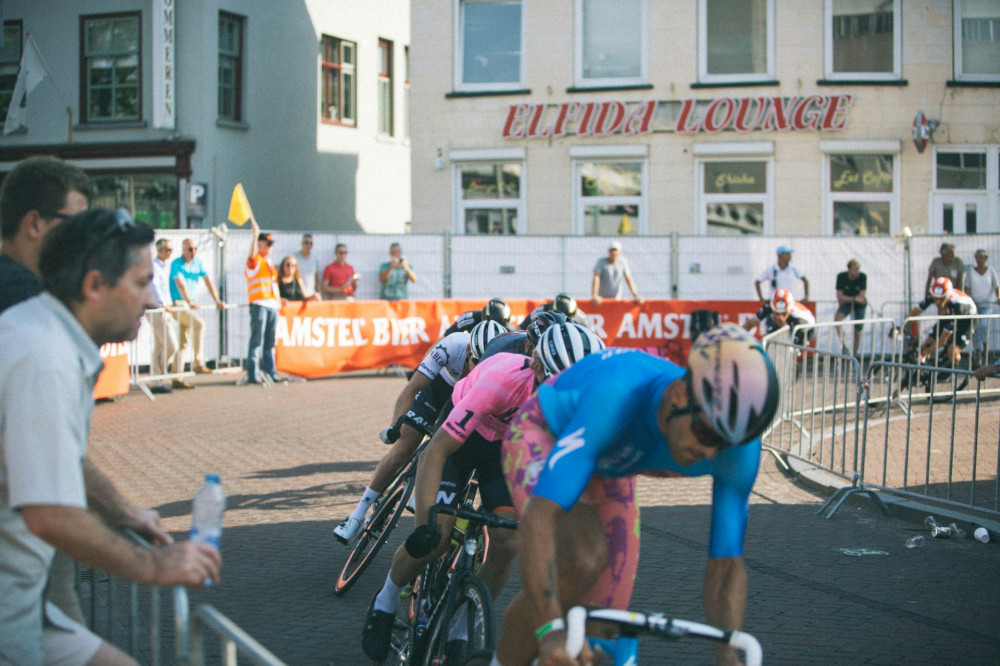
Sprinters are the speed demons of cycling. They thrive on flat stages where the peloton often comes together for a mass sprint. Success depends on positioning, timing, and raw explosiveness. Riders like Mark Cavendish, Jasper Philipsen, and Caleb Ewan are known for their ability to accelerate from 40 to 45 mph in just a few seconds.
When betting on sprinters, several factors come into play:
- Stage profile: Are there hills or crosswinds that could split the peloton?
- Team strength: Does the rider have a strong lead-out train to deliver him to the front?
- Form and confidence: A sprinter who has just won a stage often carries momentum and psychological advantage.
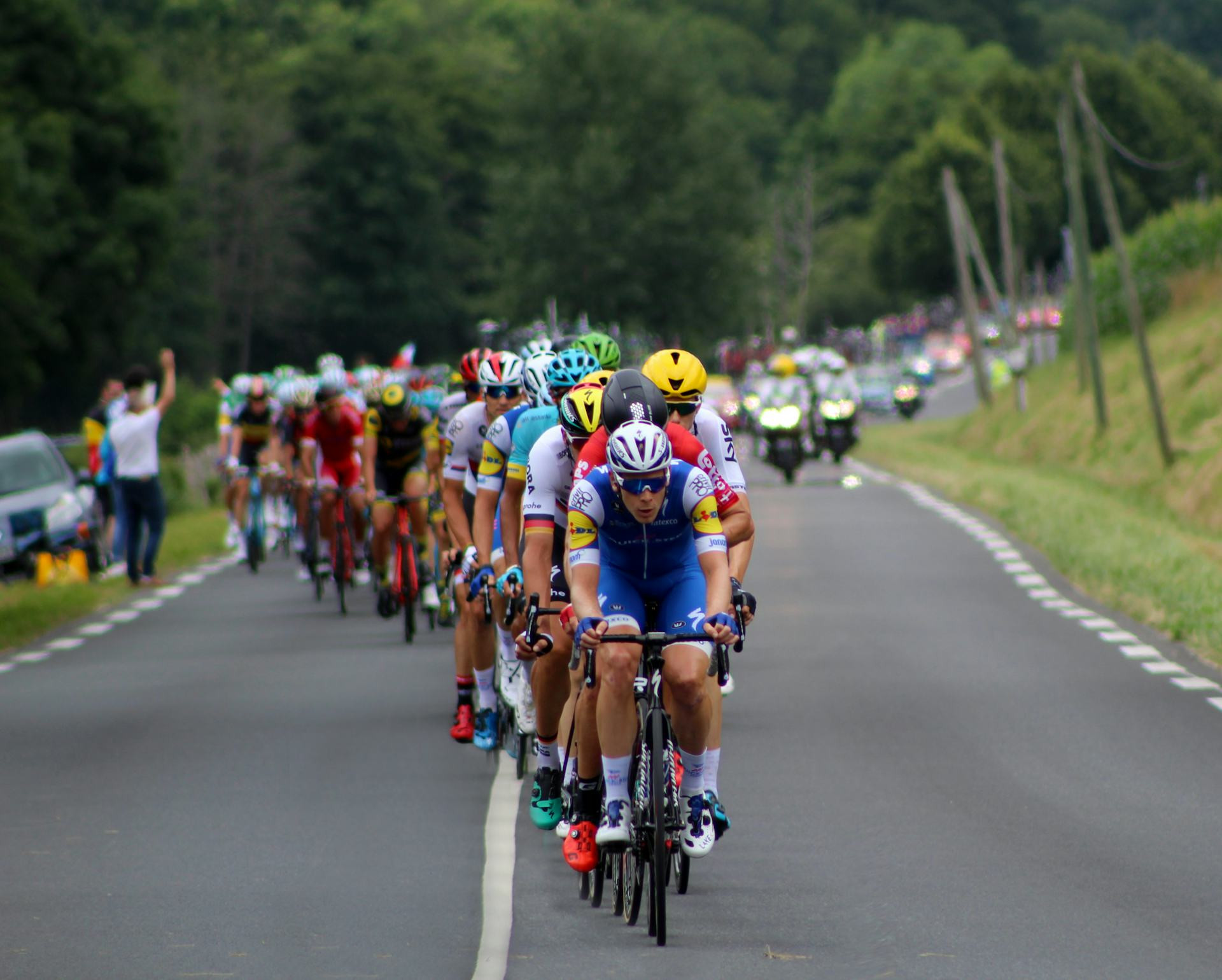
In betting terms, sprinters are usually favorites on flat stages, but odds can fluctuate depending on competition and conditions. A windy day or a technical finish can create opportunities for outsiders and value bets.
Climbers – Masters of Endurance and Pain
Climbers are the lean, resilient riders who shine when the road tilts upward. They have low body weight, high aerobic capacity, and the ability to sustain high power outputs for long periods. In Grand Tours like the Tour de France or Giro d’Italia, climbers often decide the overall standings.
When analyzing mountain stages for betting, consider:
- Gradient and length: Some riders excel on short, steep climbs, while others dominate long, steady ascents.
- Stage timing: A rider might be strong early in a three-week race but fade later.
- Team tactics: Is the rider free to chase a stage win, or is he supporting a team leader?
Climbers rarely feature on flat stages, but on mountain days they can dominate. For bettors, spotting riders who are not tied to overall ambitions—so-called “free agents”—can be key, as they often get the green light to attack and can win at generous odds.
Time Trialists – Precision and Power in Solitude
The time trial is cycling’s purest test of individual performance. It’s about power, aerodynamics, and rhythm. Specialists like Filippo Ganna and Remco Evenepoel are masters at maintaining blistering speeds over long distances without drafting or team support.
When betting on time trials, keep in mind:
- Rider specialization: Some general classification contenders are solid time trialists, but rarely match the pure specialists.
- Weather and wind: Even small changes in wind direction can significantly affect times.
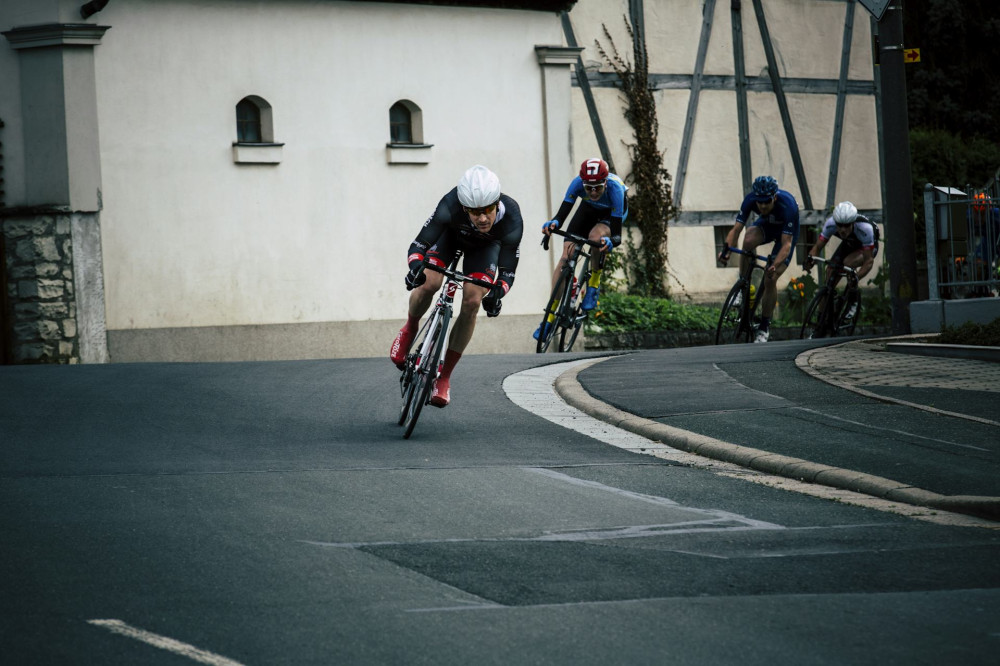
- Course design: Technical routes with many turns favor skilled bike handlers, while flat, straight courses reward raw power.
Time trialists are often safe bets, but their odds can be short. Value often lies in identifying riders who have recently improved their time trial form—or in predicting who will prioritize the stage.
Læs også:

How Specialties Shape Betting Strategy
Understanding rider specialties is the foundation of smart cycling betting. A good strategy isn’t just about knowing the favorites—it’s about context:
- A sprinter may be the favorite on paper, but without a strong team, his chances drop.
- A climber can win a stage if the overall contenders neutralize each other.
- A time trialist can surprise if weather conditions shift mid-race.
It’s also crucial to track form, motivation, and race dynamics. In a three-week Grand Tour, everything changes from day to day—and so do the odds.
From Specialists to All-Rounders – The Complete Rider
Modern stars like Tadej Pogačar and Jonas Vingegaard blur the lines between specialties. They can climb, time trial, and handle rolling terrain with equal skill. For bettors, that means they’re often heavy favorites in overall markets, but their odds for individual stages are usually low.
That’s why focusing on stage betting and riders with clear specialties can be more rewarding. These markets are often less efficient, offering better chances to find value.
Conclusion – Knowledge Is the Smartest Bet
Cycling betting rewards those who truly understand the sport. Knowing the difference between sprinters, climbers, and time trialists isn’t just trivia—it’s the key to evaluating odds realistically. The better you understand riders’ strengths, race profiles, and team tactics, the better your chances of placing a well-informed wager.
In the end, success in cycling betting isn’t about luck—it’s about insight. And in this sport, insight can be the difference between a lost bet and a winning stage.
Læs også: