The Future of Bicycle Analysis: How Technology and Data Shape Predictions

The Future of Bicycle Analysis: How Technology and Data Shape Predictions
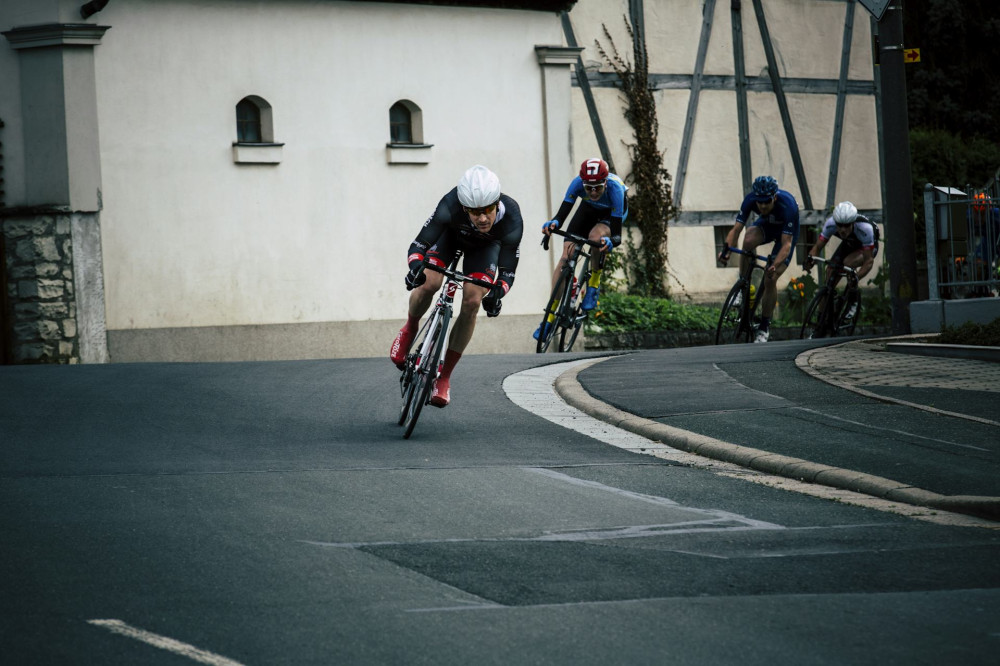
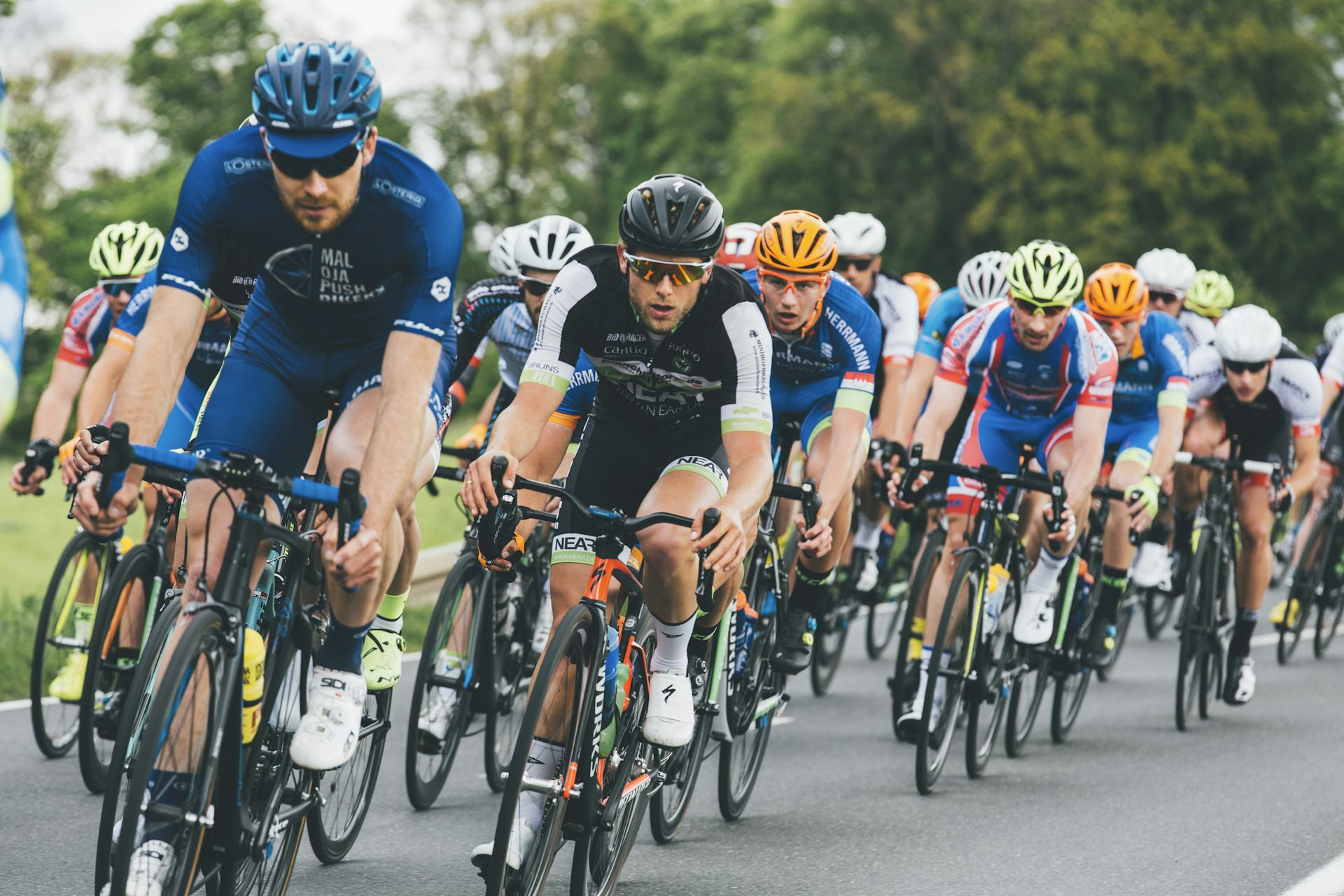
Cycling has always been a sport of endurance, tactics, and instinct. But in recent years, a new player has entered the race: data. From power meters and GPS tracking to advanced algorithms and artificial intelligence, modern cycling is as much about analysis as it is about athleticism. The future of bicycle analysis is no longer just about understanding riders—it’s about predicting what will happen before it does.
From Stopwatches to Smart Sensors
A few decades ago, cycling analysis relied on stopwatches, handwritten notes, and a coach’s intuition. Performance was judged by observation and experience. Today, every professional cyclist rides with a network of sensors measuring everything from heart rate and cadence to oxygen uptake and power output in each pedal stroke.
These data streams are transmitted in real time to team analysts, who can adjust strategies on the fly. If a rider shows signs of fatigue, the team can respond immediately—reallocating effort or planning how to conserve energy for later stages. What once took hours of post-race review now happens in seconds.
Artificial Intelligence as a Tactical Partner
Artificial intelligence (AI) is rapidly becoming a core tool in competitive cycling. By analyzing millions of data points from past races, AI models can predict the likelihood of a breakaway succeeding or a particular rider launching an attack.
Algorithms can factor in wind direction, gradient, temperature, and energy expenditure to calculate the best moment to strike. For teams, this means more precise decision-making. For fans and analysts, it opens up new ways to understand the sport—turning what was once guesswork into a science of probabilities.
Læs også:

The Data Revolution in Betting and Forecasting
Data analytics has also transformed sports betting and performance forecasting. Where odds were once based on historical results and expert opinion, they now incorporate complex models that account for weather, terrain, and even riders’ recent training data.
For serious cycling enthusiasts, this means a deeper dive into the numbers. By combining open race data with personal analysis, fans can form a more nuanced view of who’s likely to win—and why. It’s no longer just about guessing; it’s about uncovering the patterns behind performance.
Fans as Data Analysts
It’s not only professional teams that have access to data. Many cycling fans in the U.S. use platforms like Strava, TrainingPeaks, and Zwift to track performance, compare results, and analyze pro-level data. This has created a new kind of community—one where fans become co-analysts, discussing everything from wattage outputs to tactical scenarios.
This democratization of data makes the sport more transparent and engaging. When fans can follow performance metrics in detail, they gain a deeper appreciation for the strategy and effort behind every race.
Ethical and Human Considerations
With technological progress come new questions. Where is the line between fair competition and technological advantage? Should all riders have equal access to data and analytical tools? And does the sport risk losing some of its unpredictability if everything can be modeled in advance?
Many within the cycling world argue that data should support, not replace, human intuition. Algorithms can predict a lot—but they can’t measure courage, determination, or the split-second decision to attack against all odds.
The Road Ahead: Merging Human and Machine
The future of bicycle analysis won’t be a choice between technology and human insight—it will be a fusion of both. The most successful teams will be those that combine data-driven precision with tactical creativity and emotional intelligence.
For fans, analysts, and riders alike, cycling is entering a new era—one where predictions become sharper, but the thrill of the unexpected remains. Because no matter how much data we collect, cycling will always be defined by the human spirit that drives it forward.
Læs også: